You’re sleeping as well as possible, eating like a nutritionist’s dream, and doing your best to live a balanced life, yet something still feels off. Perhaps you have lingering fatigue, brain fog, or achy joints? It could be your body waving a red flag for something that’s often off the radar: chronic inflammation.
So, what is chronic inflammation, exactly?
Think of inflammation as your immune system’s emergency response team. It’s helpful in short bursts, like when you cut your finger or fight off a cold. But when inflammation becomes chronic, it’s as if your body’s immune system stays on high alert and never really clocks off.
Chronic inflammation is low-level, long-lasting, and often silent. Not only that, but it’s quietly affecting your energy, digestion, joints, skin, mood, and even brain health over time.

Spot the signs: Symptoms of chronic inflammation
Not always obvious, but here’s what to look out for:
-
Constant fatigue or low energy
-
Stiffness and muscle aches
-
Brain fog or trouble concentrating
-
Skin flare-ups: acne, eczema, or rosacea
-
Digestive issues like bloating or irregularity
-
Low mood or sudden mood swings
-
Raised inflammation markers on blood tests (check with your GP or ask our pharmacists)
Why does chronic inflammation matter?
When left unchecked, chronic inflammation can damage healthy tissues, cells, and organs. Over time, it’s been linked to a host of serious conditions, including:
-
Type 2 diabetes
-
Inflammatory bowel disease (IBD)
-
Depression and cognitive decline
“Chronic diseases, many of which involve inflammation, account for approximately 70% of deaths worldwide.”
World Health Organisation (Global Health Estimates, 2020)
8 Surprising causes of inflammation in the body
There’s no single cause, more likely a plethora of lifestyle and environmental factors:
- Poor diet – Excess sugar, ultra-processed foods, and low fibre
- Gut imbalance – Leaky gut, low microbiome diversity, food intolerances
- Chronic stress – High cortisol disrupts immune balance
- Lack of sleep – Raises inflammatory markers like CRP
- Pollution & toxins – From air pollution to household chemicals
- Inactivity – A sedentary lifestyle increases inflammatory risk
- Autoimmune disorders – Conditions like IBD, psoriasis, and lupus
- Obesity – Especially visceral fat, which secretes pro-inflammatory cytokines

How to reduce chronic inflammation, naturally
There’s no magic pill here, but lifestyle is your most powerful ally. Start with these simple, science-backed steps:
1. Eat more anti-inflammatory foods
Load your plate with:
-
Colourful fruits and veg (the more vibrant, the better)
-
Omega-3-rich foods like flaxseed, walnuts, and oily fish
-
Fermented foods (like kefir) and prebiotic fibre (from leeks, onions, asparagus)

2. Cut back on inflammatory foods
Minimise or dodge completely:
-
Refined carbs and added sugars (think white bread, cakes, biscuits)
-
Ultra-processed and fried foods (look out for ingredients like maltodextrin, sucralose, MSG, and sodium nitrite)
-
Processed meats and alcohol
91% of UK adults don’t meet the 30g fibre target – and fibre is key to lowering inflammation and supporting gut health.
National Diet and Nutrition Survey

3. Try a high-strength Turmeric supplement
Turmeric has long been used in traditional medicine, but not all turmeric is equal. For chronic inflammation support, it’s the curcuminoids (the active compounds) that count.
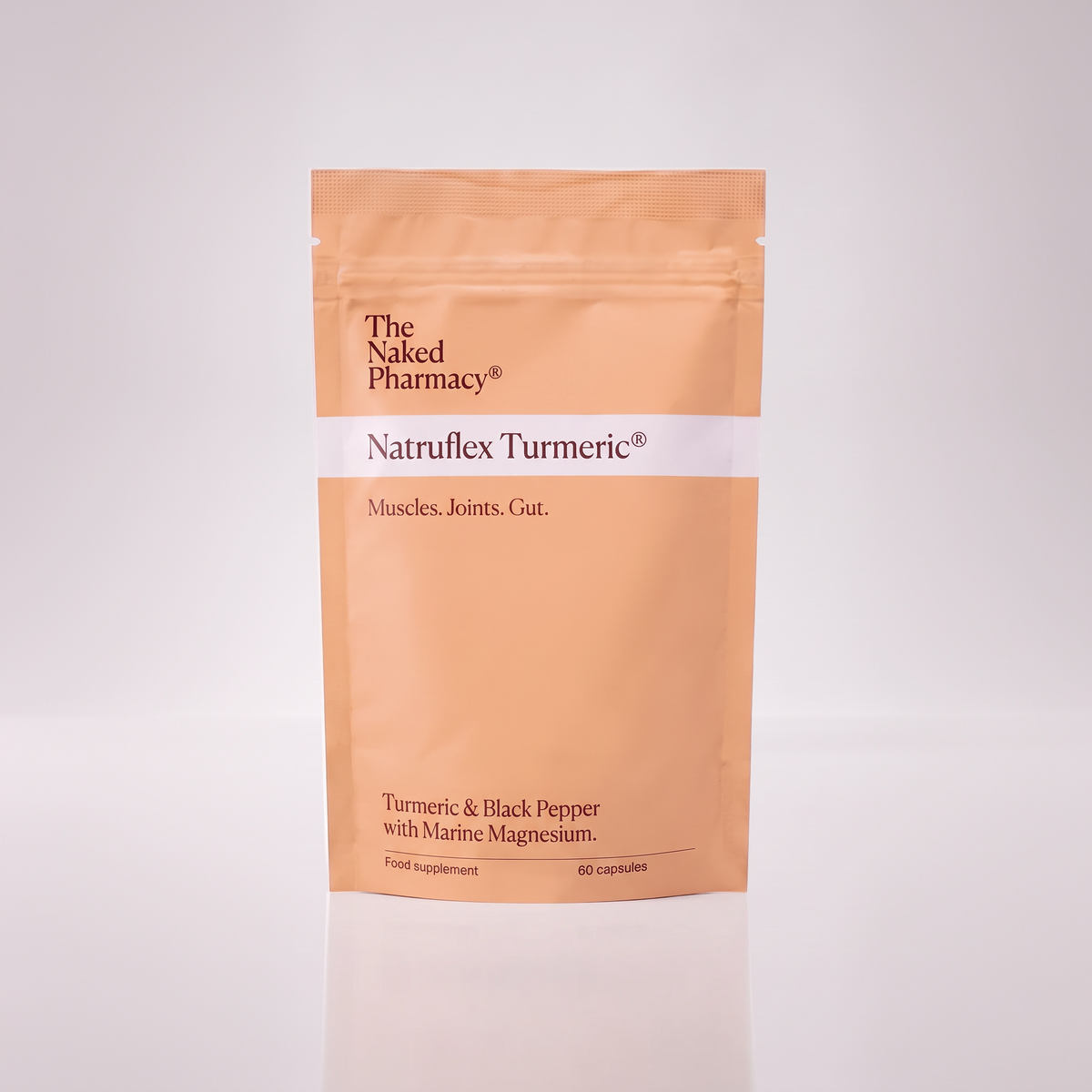
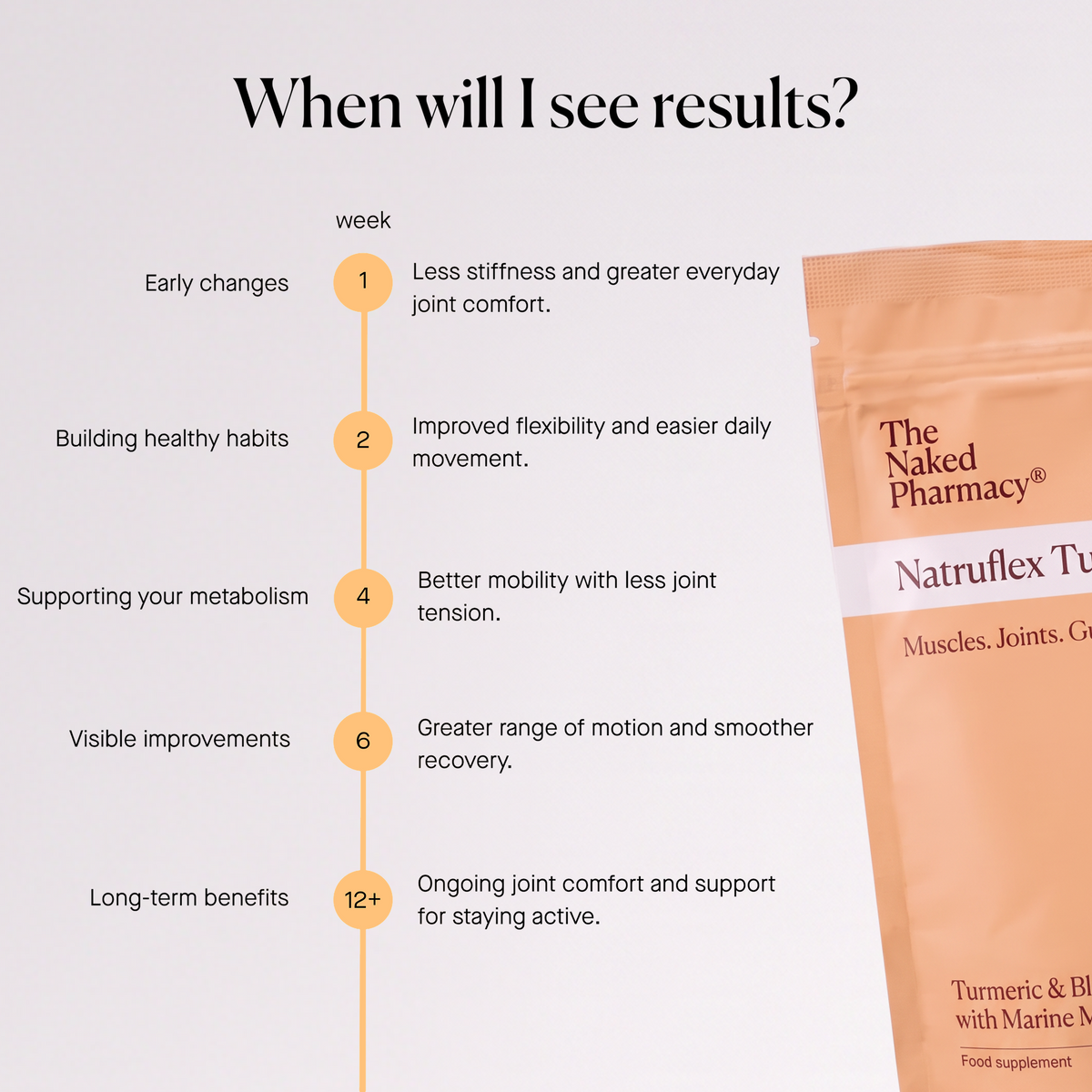
Natruflex Turmeric is a pharmacist-formulated supplement containing a high-strength extract standardised to 95% curcuminoids – that’s significantly more potent than culinary turmeric. It’s also blended with 95% black pepper extract to help your body absorb it effectively.
If you're managing joint stiffness, low energy or inflammation-prone diets, this kind of targeted support can make all the difference.
Discover Natruflex Turmeric
4. Strengthen your gut, calm inflammation
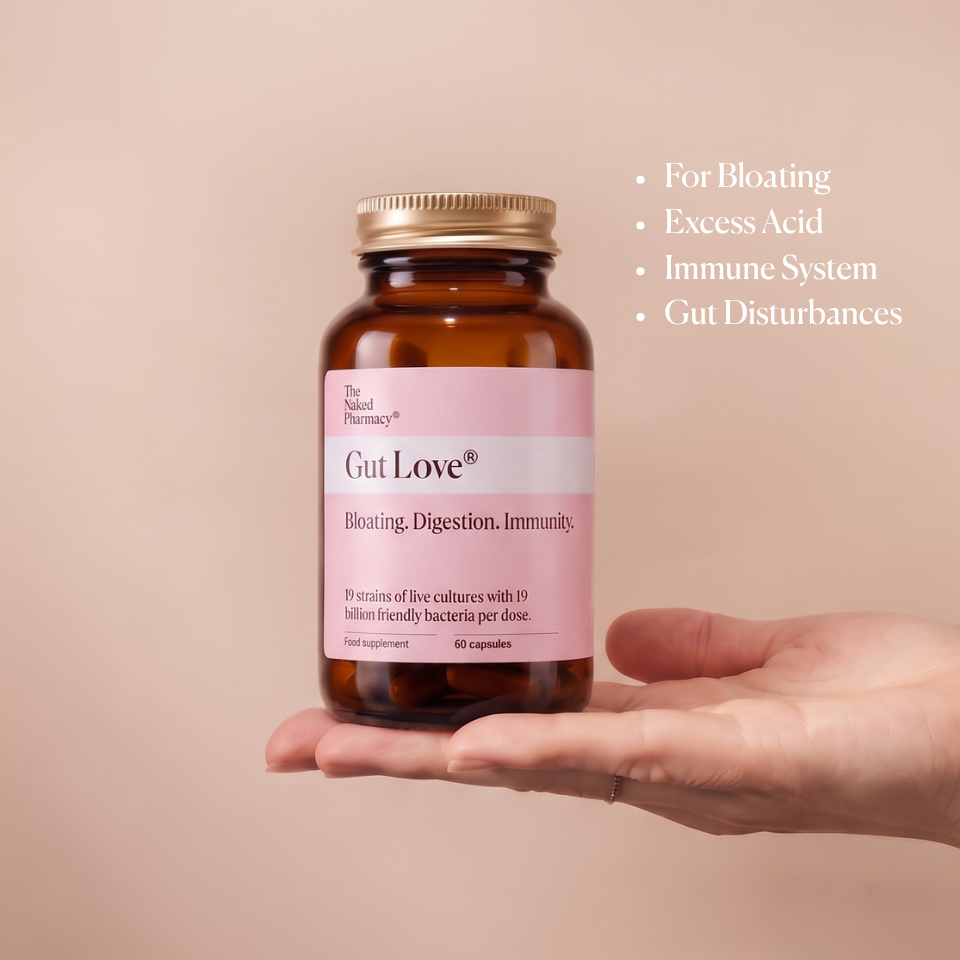
Your gut and immune system are deeply connected - around 70% of your immune cells live in your gut, after all. So, if your digestion’s off, chances are your immune system is too.
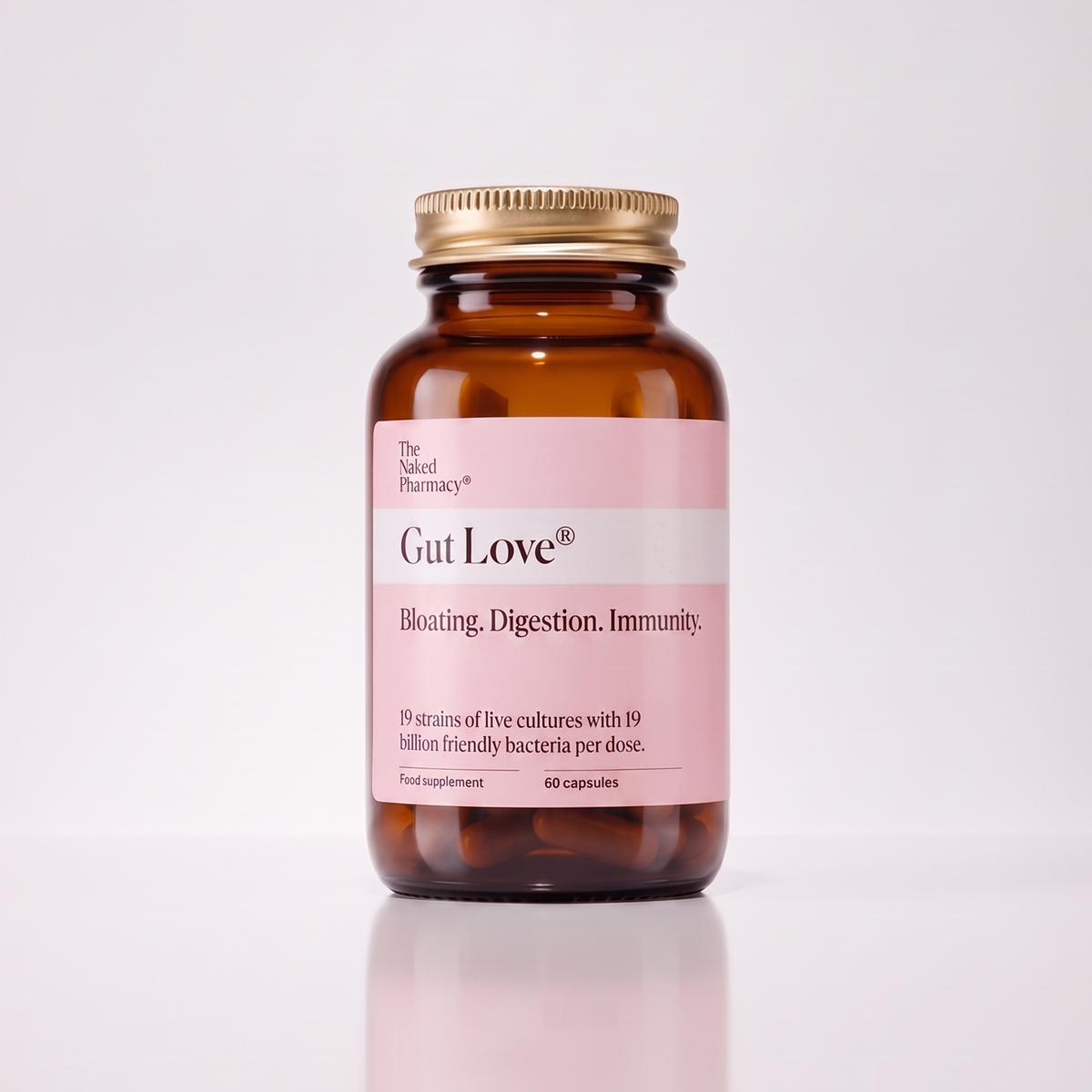
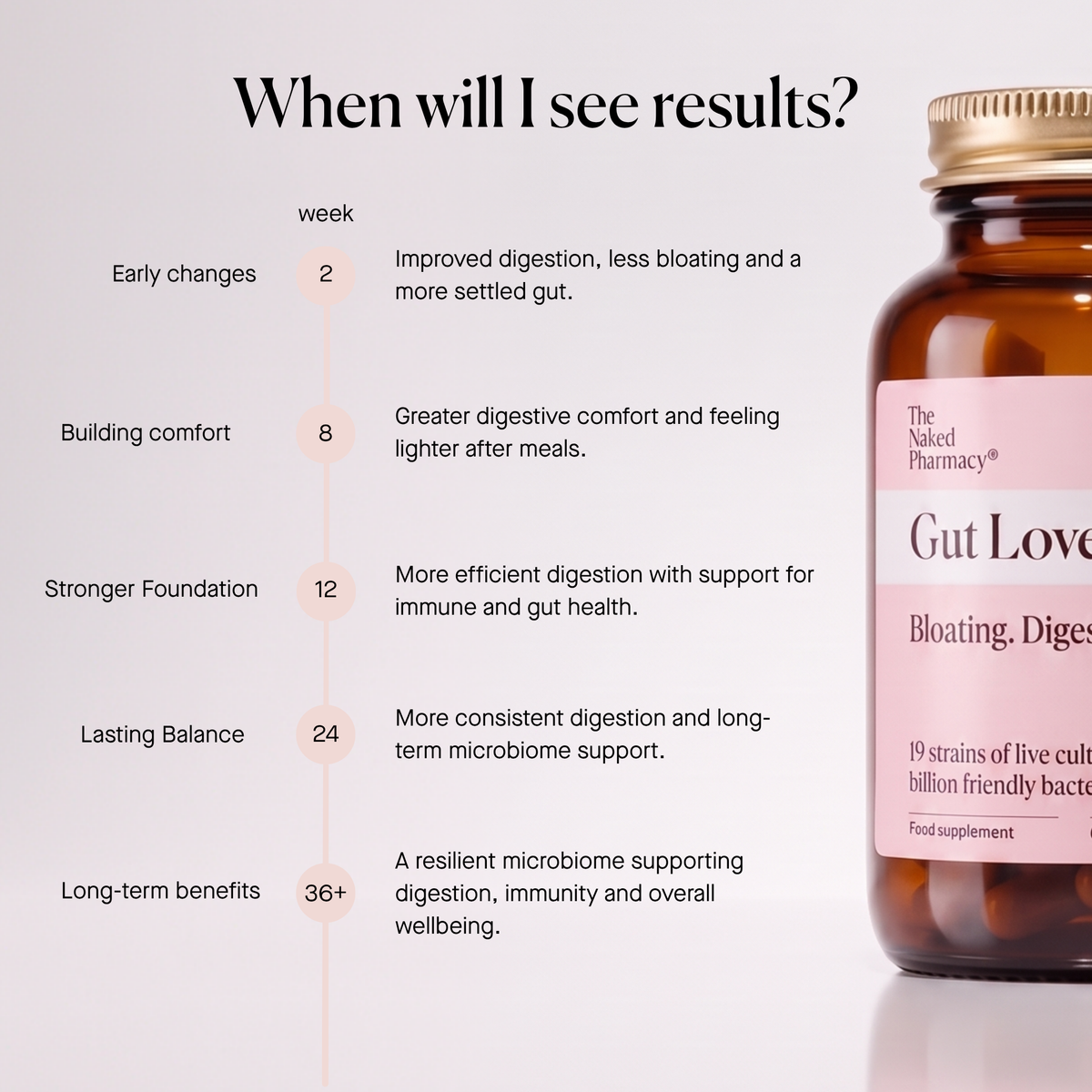
Gut Love is a probiotic designed by pharmacists to support inflammatory diets through gut balance. It contains live, clinically studied strains like Lactobacillus rhamnosus and Lactobacillus gasseri, known for their ability to support immune health and reduce digestive flare-ups.
Combined with a fibre-rich diet, a quality probiotic can help bring balance back to your gut – and calm the ripple effects inflammation can have across your body.

5. Move more, rest better
Regular movement and quality rest are natural anti-inflammatories.
-
Aim for 30 minutes of daily movement – yoga, brisk walking, or light strength training
-
Sleep 7–9 hours per night (or aim for six and build from there)
-
Manage stress with mindfulness, nature walks, or breathwork
Our takeaway: You can calm chronic inflammation
Inflammation isn’t always avoidable, but it is manageable. You don’t need to overhaul your entire life; just start where you are. Small, consistent changes can make a powerful difference.
With the right foods, supplements, and daily habits, you can support your immune system, reduce symptoms, and reclaim your energy and vitality, the natural way.

Ready to support your body from the inside out?
Target chronic inflammation at its roots with Natruflex Turmeric and Gut Love – two pharmacist-formulated, naturally sourced supplements designed to support your body where it matters most: your joints, digestion, and immune system.
Small daily steps, big long-term impact.