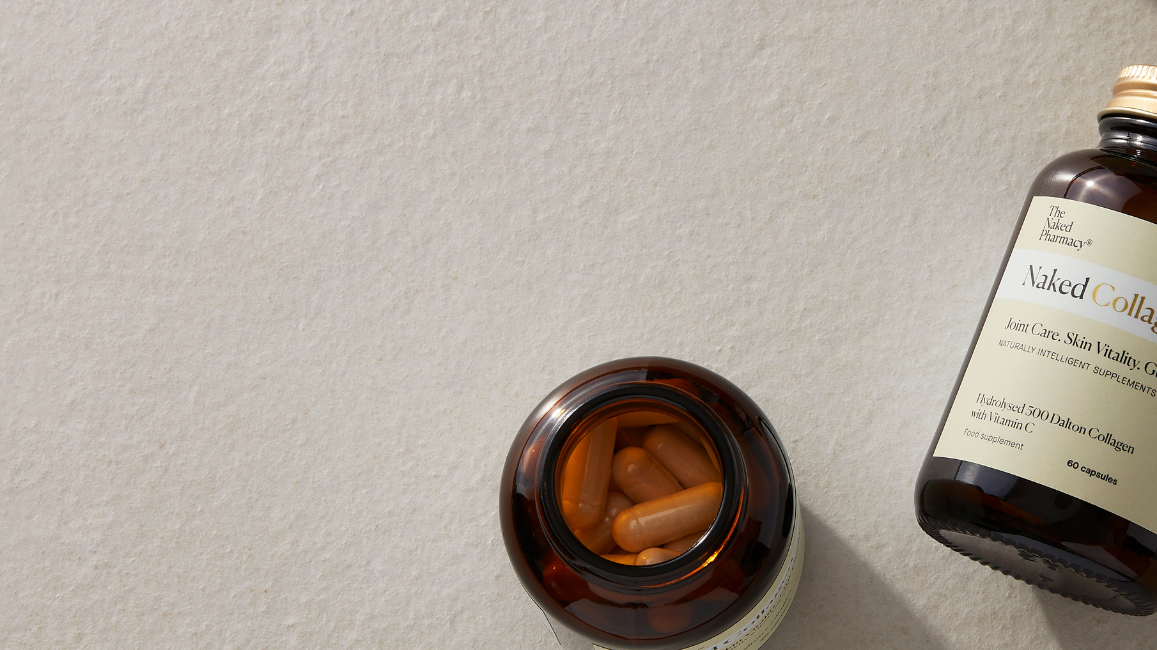
At The Naked Pharmacy, we ensure that all of our supplements are made with effective strength bioactives, so they are clinically proven to work.
We aim for each supplement to be scientifically supported by multiple randomised placebo-controlled studies. All clinical trial studies we use to support our supplements are undertaken on human patients, using the same dosage and formulation of the product. The scientific studies are published in peer-reviewed journals.
Study: Herbal formula improves upper and lower gastrointestinal symptoms and gut health in Australian adults with digestive disorders
What the study was about:
A 16-week clinical study in Australia explored the effects of an herbal gut formula — including Slippery Elm — in adults with digestive issues like reflux, IBS, bloating, and constipation.
How they did it:
A total of 43 participants completed the study. After a control phase, participants took 5 g/d and then 10 g/d of the formula for 4 weeks. GI symptoms and GI health were assessed by a series of validated questionnaires, for example, Leeds Dyspepsia Questionnaire, Bristol Stool Chart, Birmingham IBS Symptom Questionnaire, and by intestinal permeability and gut microbiota profile.
Here is what they found:
Slippery Elm forms a protective lining
Slippery Elm contains mucilage, a natural gel that lines the stomach and intestines. This soothes irritation, like a balm for the gut, helping reduce symptoms like:
- Heartburn and reflux
- Abdominal pain
- Regurgitation and nausea
Repairs the gut lining ("Leaky Gut")
The study measured intestinal permeability — often called “leaky gut” — which allows harmful substances to pass into the bloodstream. After taking the formula:
- 90% of participants with a ‘leaky gut’ showed signs of healing
- All participants with normal bowel movements had fully restored gut barrier function
What it means:
This suggests Slippery Elm helps seal and protect the intestinal lining, a key factor in long-term digestive health
Improves bowel regularity and stool consistency
Whether patients struggled with constipation or loose stools, their bowel movements improved significantly:
- Constipation symptoms dropped by 40%
- Diarrhoea symptoms dropped by 43%
- Stool consistency normalised in most participants, especially those with loose stools
This balancing effect is likely due to the soothing and bulking properties of Slippery Elm, along with other fibre-based ingredients in the formula.
Supports a healthier gut microbiome
The study also showed increases in beneficial bacteria like Lactobacillus and Faecalibacterium prausnitzii, both of which play a crucial role in:
- Supporting immunity
- Reducing inflammation
- Improving gut-brain signalling
Slippery Elm appears to contribute to creating a favourable environment for good bacteria to thrive.
Real-life benefits:
Participants not only saw their gut symptoms improve, but also reported:
- Better sleep and energy
- Reduced dependence on reflux medication (PPIs)
- Ability to reintroduce trigger foods like garlic, onion, dairy, or acidic foods — without symptoms
In Short:
Slippery Elm is a powerful, gentle support for those experiencing:
- Acid reflux or heartburn
- IBS-type symptoms
- Constipation or loose stools
- Food sensitivities
- Leaky gut or post-antibiotic imbalance
Its mucilage forms a soothing coating on the gut lining, while helping restore barrier function and improve the balance of bacteria — supporting digestive comfort from top to bottom.
Study: Effects of Two Natural Medicine Formulations on Irritable Bowel Syndrome Symptoms: A Pilot Study
What the study was about
A clinical pilot study in Australia looked at how two herbal blends — both containing Slippery Elm — could help people living with irritable bowel syndrome (IBS). One of the formulas (called C-IBS) was specifically designed for constipation-predominant IBS, which can cause pain, bloating, and uncomfortable straining.
How they did it:
The study included 31 patients who fulfilled the Rome II criteria for IBS. Twenty-one (21) patients were classified as suffering from diarrhoea-predominant or alternating bowel habit IBS and 10 patients were classified with constipation-predominant IBS.
Here is what they found:
Slippery Elm helps restore healthy bowel movements
The C-IBS formula, made with Slippery Elm bark, oat bran, liquorice root, and lactulose, was shown to:
- Increase bowel movement frequency by 20%
- Improve stool consistency
- Reduce the need to strain during bowel movements
This means Slippery Elm works gently and naturally to support more regular, comfortable digestion — without the harsh effects of stimulant laxatives.
What it means:
Soothes IBS symptoms like bloating, pain & wind
Participants using the C-IBS formula experienced significant reductions in:
- Abdominal pain
- Bloating
- Flatulence
- Overall, IBS symptom severity
This suggests Slippery Elm doesn’t just support bowel regularity — it also calms and cushions the gut lining, helping to relieve discomfort and sensitivity.
Safe and well-tolerated
Importantly, the formula was well tolerated by all participants, with no adverse effects reported. It offers a gentle, plant-based alternative for those looking to manage constipation-related IBS symptoms long-term.
In short:
Slippery Elm, as part of a targeted herbal blend, may provide effective support for:
- Constipation relief
- IBS-related bloating, cramping, and wind
- Softer, more regular stools
- A more balanced, less reactive digestive system
Its soothing mucilage helps coat and calm the gut lining, while natural fibres support smoother bowel movements — making it ideal for those with sluggish or sensitive digestion.