The Calcium Controller

Vitamin D

Vitamin D is a fat-soluble vitamin that helps control the calcium and phosphorus levels in our bodies. During the warmer months, we get most of our vitamin D from sunlight. However, during the cold months our vitamin D levels can become deficient. Specific foods, such as oily fish, egg yolks and red meat provide vitamin D.

What Vitamin D can do for you?

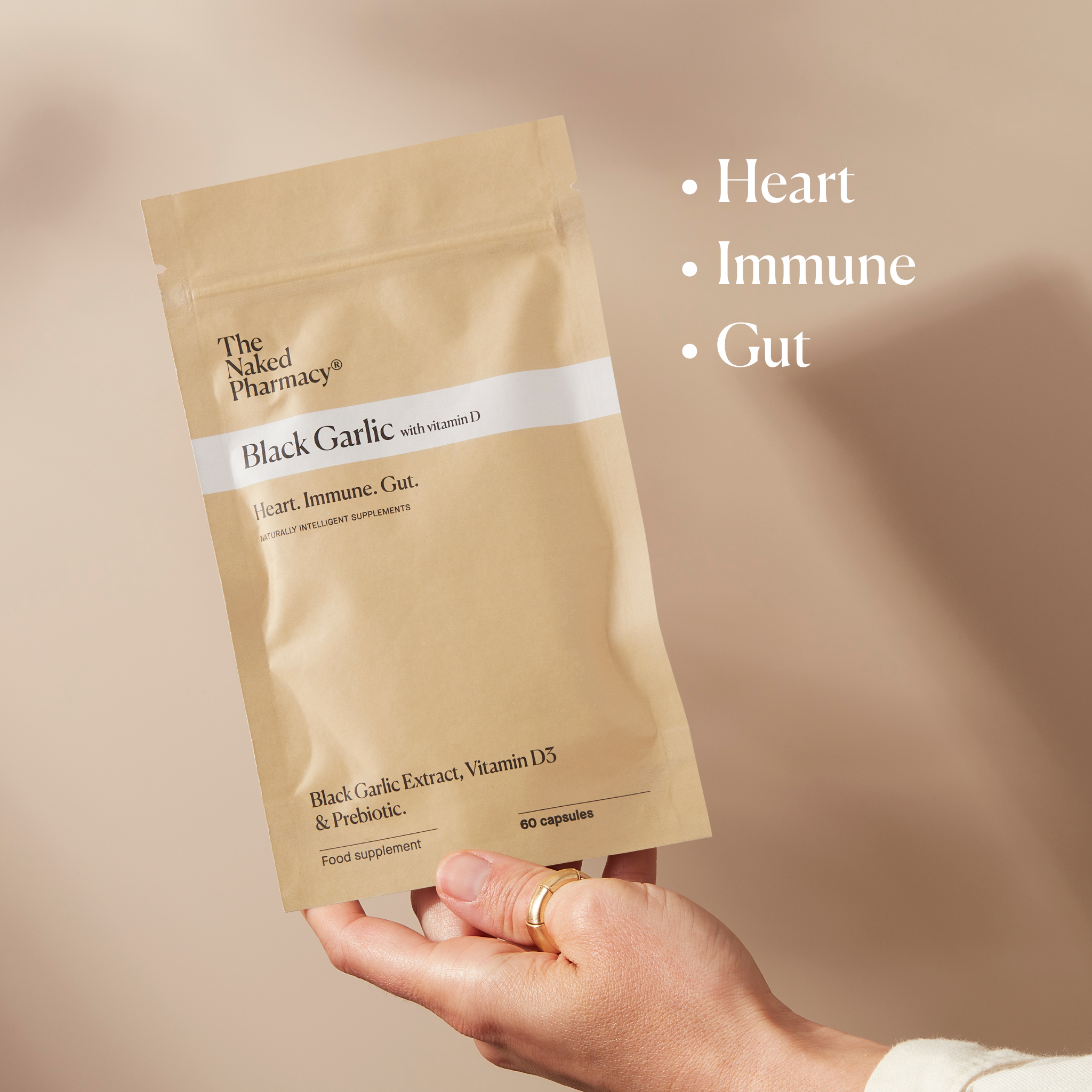
Vitamin D3 strengthens your bones, boosts immunity and helps balance your mood.

  • Helps protect your immune system
  • Reduces cellular inflammation

The Science

Vitamin D is a fat-soluble vitamin that acts more like a hormone, regulating calcium metabolism, immune response, and mood. Synthesised in the skin via sunlight exposure, Vitamin D is crucial for bone mineralisation and maintaining muscle strength. It modulates immune function, helping to prevent infections and reduce autoimmune activity. Low levels of Vitamin D are linked to fatigue, low mood, and susceptibility to illness. Supplementation is often necessary in regions with low sun exposure, especially during winter months. As a foundational nutrient, Vitamin D supports structural, immune, and mental health.

Still unsure?

We’re all ears, get free expert advice from our pharmacists.

The Studies

"At The Naked Pharmacy, we ensure that all of our supplements are made with effective strength bioactives, so they are clinically proven to work.

We aim for each supplement to be scientifically supported by multiple randomised placebo-controlled studies. All clinical trial studies we use to support our supplements are undertaken on human patients, using the same dosage and formulation of the product. The scientific studies are published in peer review journals."

The scientific studies to support our claims on Vitamin D are published in the following peer review journals:

Study: Vitamin D and bone health

What the paper looked at:

As we age, it's important to keep our bones strong to prevent fractures. This paper explored what affects bone strength, especially in older adults, and how nutrients like calcium and vitamin D play a role.

The problem:

Bones can break when the force placed on them is greater than they can handle.

Osteoporosis (weak, brittle bones) is very common — affecting 1 in 3 women and 1 in 12 men over 55 in the UK.

This costs the NHS over £1.7 billion a year.

What affects bone health?

Genetics, hormones, and lifestyle all impact how strong your bones are and how quickly you lose bone mass as you age.

Getting enough calcium and vitamin D is important, but how helpful supplements are depends on the person’s age, diet, and health.

Key findings:

Calcium supplements help older postmenopausal women (5+ years after menopause), especially if their calcium intake is low.

Vitamin D alone doesn't do much for younger postmenopausal women unless they're deficient.

In the elderly living in care homes, vitamin D and calcium together can reduce fractures.

But in people living independently, it's less clear if supplements reduce fracture risk.

Why vitamin D matters:

Vitamin D deficiency is common in the UK and can increase the risk of falls and other health problems.

The UK needs to update its vitamin D guidelines to better protect public health.

Study: Vitamin D in the Treatment of Oral Lichen Planus: A Systematic Review

What the study looked at:

Oral lichen planus (OLP) is a long-lasting condition that causes sore patches inside the mouth. It affects about 2% of people and often comes and goes with flare-ups. Doctors don’t fully understand what causes it, but it likely involves the immune system attacking the mouth lining.

Why vitamin D might help:

Vitamin D is known for its ability to reduce inflammation and help regulate the immune system. It also helps control how skin and mouth lining cells grow and heal. Because of this, researchers wanted to see if vitamin D could help treat OLP.

What they did:

They looked at all studies from 2000 to 2022 that tested vitamin D for OLP treatment. Out of 17 studies found, 5 met the quality standards to be reviewed closely.

What they found:

All five studies showed that patients who took vitamin D alongside usual steroid treatments or placebo had significant improvements in their OLP symptoms.

Vitamin D seemed to help reduce soreness and heal the mouth lesions better than standard treatment alone.

What it means:

Vitamin D could be a helpful additional treatment for people with OLP, but more research with larger groups of patients is needed to be sure.

Glossary of terms:

There are a few key terms to be aware of when reviewing these studies:

Randomised Clinical Trial

A clinical trial in which the participants are assigned randomly (by chance alone) to different treatments.

Double-blind study

A study in which neither the participants nor the experimenters know who is receiving a particular treatment. This procedure is utilised to prevent bias in research results.

Double-blind studies are particularly useful for preventing bias due to demand characteristics or the placebo effect.

P-value

The probability of obtaining the observed results of a test. The lower the p-value is, the more confident we can be of a true result. For example, a p- value of 0.001 confirms a result as 99.9% accurate.

Placebo

An inactive treatment used in a clinical trial, sometimes referred to as a “sugar pill”.

A placebo-controlled trial compares a new treatment with a placebo, in order to give greater confidence that the result is only due to the test/active ingredient.