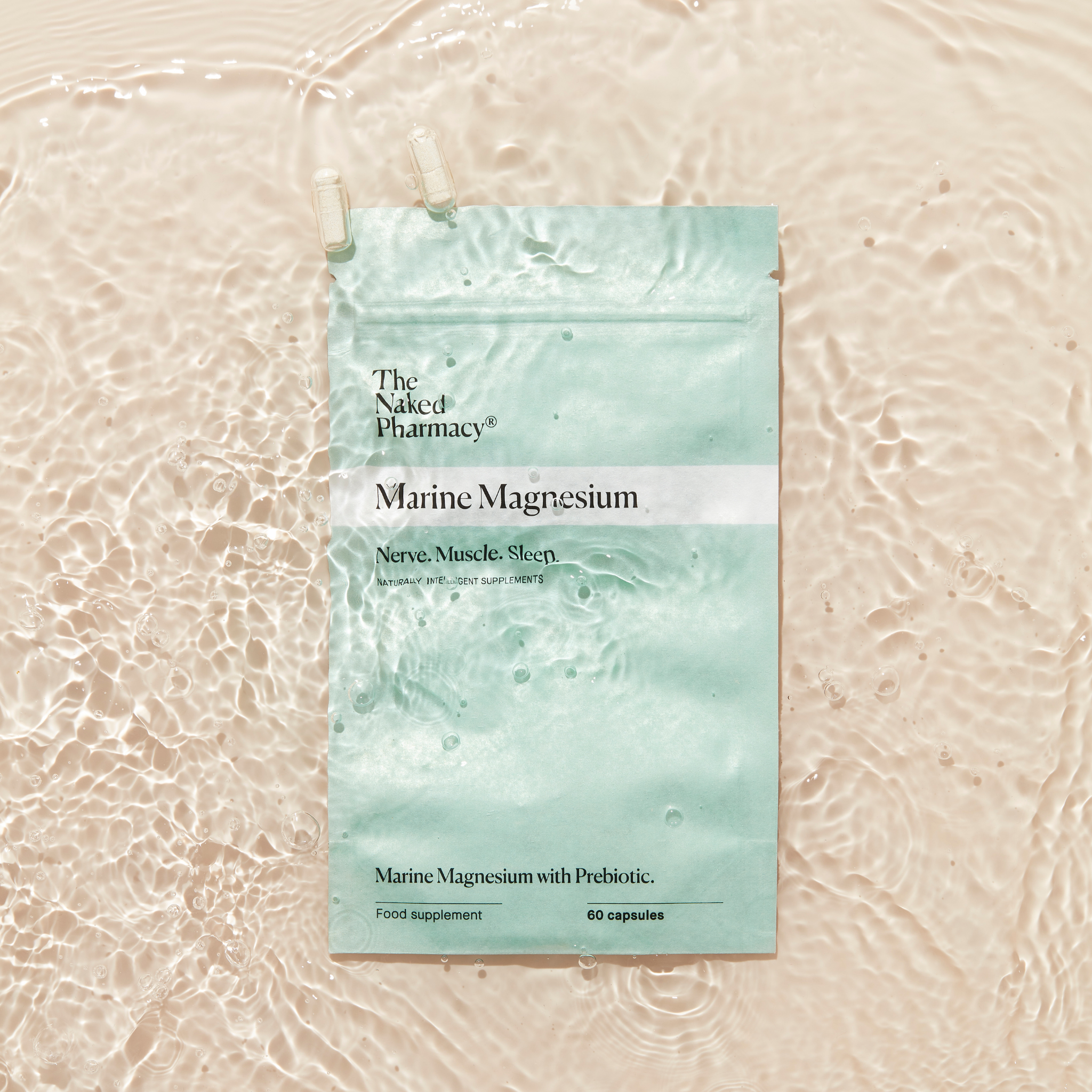
The scientific studies to support our claims on Magnesium are published in the following peer-reviewed journals:
Study: Magnesium: A Review of Clinical Use and Efficacy
This is a paper by the Nutritional Medicine journal reviewing the clinical use and efficacy of Magnesium
What the article looked at:
This summary explains why magnesium is such an essential mineral for the body. It’s the fourth most common mineral in our bodies and plays a role in almost every process in our cells.
Why magnesium matters:
It helps over 300 enzymes do their job properly — these enzymes control things like energy production, brain signals, heart rhythm, and muscle movement.
It’s especially important inside the mitochondria (the energy powerhouses of our cells), helping your body create and manage energy.
Key roles of magnesium:
- Energy: Needed for converting food into energy (via glycolysis and the Krebs cycle).
- Brain and nerves: Helps regulate brain chemicals and nerve signals by supporting NMDA and GABA receptors, which influence mood, sleep, and memory.
- Muscles and heart: Balances calcium, helping your muscles contract and relax smoothly, including your heart muscle.
- Cell balance: Keeps your cells' mineral levels in check by maintaining low calcium and sodium inside the cell and high potassium.
- Genetics and repair: Plays a key role in making and repairing DNA, RNA, and proteins.
- Bones and teeth: It's also a building block in your skeletal structure.
What it means:
Magnesium isn’t just another mineral — it’s a core part of how your body runs, from energy and sleep to bones and the brain. Getting enough magnesium through diet or supplements is essential for overall wellbeing.
Magnesium and sleep:
People who don’t get enough magnesium in their diets tend to sleep less.
Magnesium may help regulate your body clock (circadian rhythm) and sleep behaviour.
In a small study on babies, higher magnesium levels were linked to better sleep patterns.
One clinical trial in older adults with insomnia showed that taking 500 mg of magnesium helped improve both how they felt about their sleep and their actual sleep quality.
Another study combining 225 mg of magnesium, melatonin, and zinc also helped elderly people with insomnia sleep better.
So far, doses between 225 mg and 500 mg of magnesium seem to be helpful, especially for people who aren't getting enough from their diets.
Magnesium and restless legs/PLMS:
Low magnesium levels may be linked to more frequent restless leg movements at night.
There’s limited formal research, but some early evidence and reports suggest that 301 mg of magnesium daily may help reduce symptoms of RLS and PLMS.
What it means:
Magnesium might support better sleep, especially in people with low levels or insomnia. It may also help with night-time restlessness, but more studies are needed to confirm this. Still, supplementing with magnesium is generally safe and well-tolerated at moderate doses.
Study: Magnesium from Deep Seawater as a Potentially Effective Natural Product against Insulin Resistance: A Randomised Trial
What the study looked at:
This study tested whether magnesium-rich mineral extracts from deep seawater could help people with pre-diabetes — those who have high blood sugar but not high enough to be diagnosed with diabetes.
How the study worked:
- 75 adults with impaired glucose tolerance took part in a 12-week, double-blind clinical trial.
- Half took a deep seawater supplement containing natural magnesium.
- The other half took a placebo (no active ingredients).
- Researchers measured their blood sugar control, insulin levels, and how well their bodies responded to insulin (a hormone that controls blood sugar).
What they found:
- The group taking the magnesium-rich seawater showed improvements in insulin sensitivity, meaning their bodies could use insulin more effectively.
- Markers such as fasting insulin, C-peptide, and insulin sensitivity scores improved.
- However, blood sugar levels themselves (fasting or after meals) didn’t change much compared to the placebo group.
What it means:
Even though blood sugar levels didn’t drop, the supplement helped the body respond better to insulin — which is a key early step in preventing type 2 diabetes.
This suggests that natural magnesium from deep seawater may be a useful, natural tool for people with pre-diabetes to improve their metabolic health.