Affron® Saffron - Adults
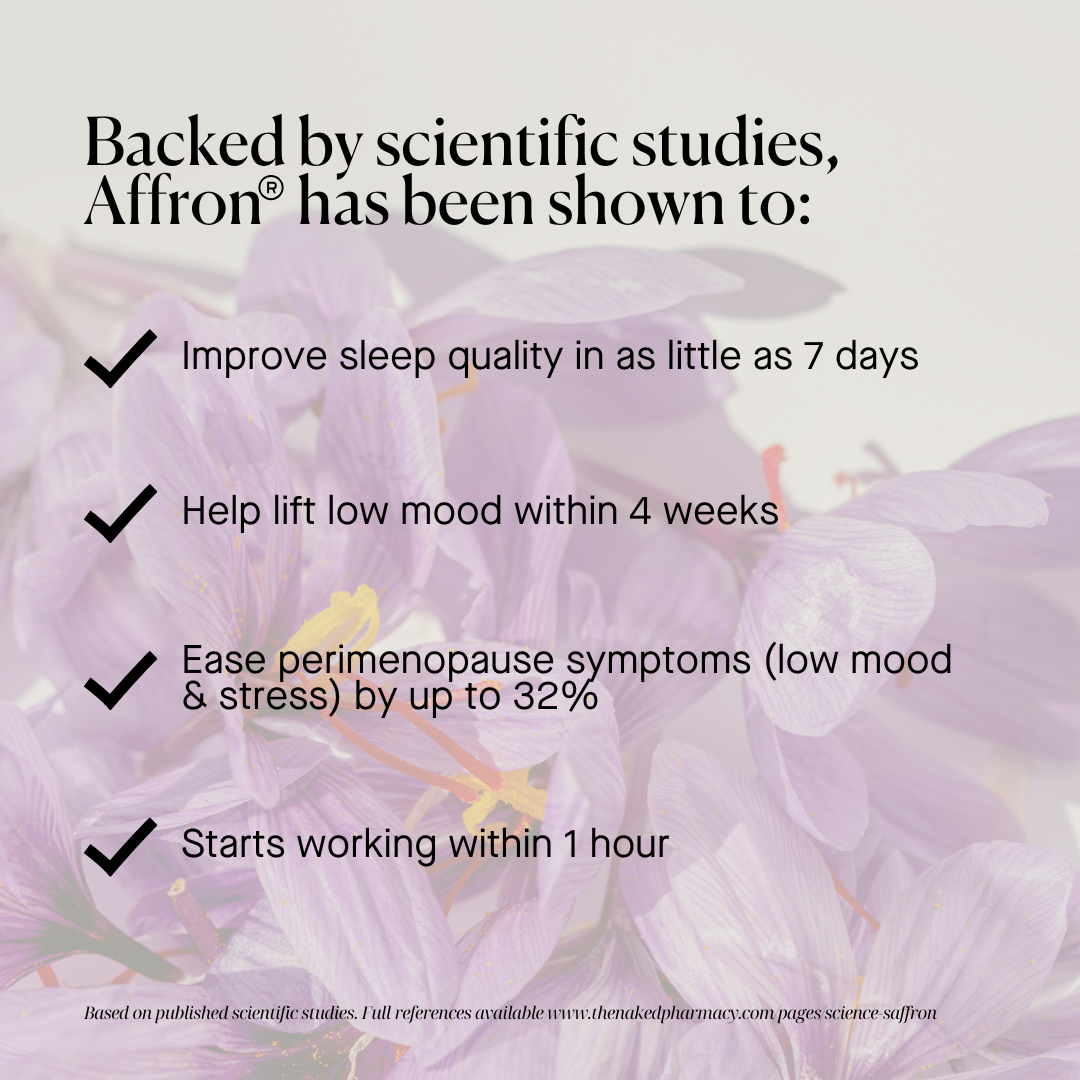
Study: The Effects of a Saffron Extract on Menopausal Symptoms in Women during Perimenopause: A Randomised, Double-Blind, Placebo-Controlled Study 12-week, parallel-group, double-blind, randomised controlled trial 86 female participants.
What was the study about?
Researchers wanted to find out if saffron extract (Affron®) could help improve menopausal symptoms, especially mood-related ones, in perimenopausal women (those going through the transition to menopause).
How was the study conducted:
- 86 women were randomly given either:
- A saffron supplement (14 mg, twice daily)
- Or a placebo (dummy pill)
- The study lasted 12 weeks.
- Participants completed questionnaires about their mood, menopause symptoms, and quality of life.
What did they find?
- Women taking Affron® showed greater improvements in mood than those on a placebo.
- Anxiety reduced by 33%
- Depression reduced by 32%
- Affron® also helped lower negative emotions overall.
Was it safe?
Yes. No major side effects were reported, and the Affron® was well tolerated.
Study: Effects of Saffron on Sleep Quality in Healthy Adults with Self-Reported Poor Sleep - Randomized, Double-Blind, Placebo-Controlled Trial
What was the study about?
Researchers wanted to find out whether a standardized saffron extract (Affron®) could improve sleep quality and reduce symptoms of poor sleep-in adults who reported they had trouble sleeping.
How was the study conducted?
- Parallel-group, double-blind, randomised controlled trial
63 participants were randomly assigned to receive one of the following:
- Affron® extract 14 mg twice daily (28 mg/day)
- Or a placebo group: dummy pills (no active ingredients)
The study lasted 28 days. Participants completed questionnaires about their mood, menopause symptoms, and quality of life. Researchers measured sleep using validated questionnaires over the study period, including:
- Insomnia Severity Index (ISI) - primary outcome
- Restorative Sleep Questionnaire (RSQ)
- Pittsburgh Sleep Diary (PSD)
What did they find?
Compared with placebo, the Affron® group showed significantly greater improvements in:
- Insomnia symptoms (ISI score) - improved more with saffron than placebo
- Restorative sleep (RSQ score) - greater improvements
- Sleep quality ratings (PSD) - better subjective sleep quality
Improvements tended to appear early in the study and were maintained over 28 days.
Was it safe?
Yes - saffron was well-tolerated with no reported adverse effects in participants.
Study: Sleep Enhancement by Saffron Extract in a Randomised, Double-blind, Placebo Controlled Trial
What was the study about?
Researchers wanted to see whether taking a Affron® extract could improve sleep quality in adults, compared with a placebo pill.
Design: 4 weeks
Participants: 21 healthy adults (randomised to saffron extract vs placebo)
How was the study conducted?
- Parallel-group, double-blind, randomised controlled trial
- 21 healthy adults
Participants were randomly assigned to receive one of the following:
- Affron® extract containing crocin (0.6 mg/day)
- Or a placebo group: dummy pills (no active ingredients)
The study lasted 28 days. Researchers measured sleep using validated questionnaires over the study period, including:
- Pittsburgh Sleep Quality Index (PSQI)
What did the study find?
- Sleep quality (PSQI scores) decreased significantly in the Affron® group compared with placebo - indicating improved sleep quality.
- In people who were classified as poor sleepers at the start, Affron® had a significant beneficial effect on daytime dysfunction over the 4 weeks compared with placebo.
Was it safe?
The study did not report any major adverse events linked to Affron®, suggesting that the extract was well tolerated in this healthy adult sample over the 4-week period.
Study: An Investigation into an Evening Intake of a Saffron Extract (affron®) on Sleep Quality, Cortisol, and Melatonin Concentrations in Adults with Poor Sleep
What was the study about?
Researchers wanted to confirm previous evidence that Affron® extract could improve sleep quality in adults with poor sleep and to explore whether single evening doses of Affron® (taken 1 hour before bed) at different strengths (14 mg vs 28 mg) could enhance sleep and influence sleep related hormones (melatonin and cortisol).
How the study worked:
- A parallel group, multidose, double-blind, randomised controlled trial
- 120 adults with self-reported unsatisfactory sleep (randomised to placebo, 14 mg, or 28mg Affron® extract)
Participants were randomly assigned to one of three groups:
- Saffron extract 14 mg - one dose taken ~1 hour before sleep
- Saffron extract 28 mg - one dose taken ~1 hour before sleep
- Placebo - dummy pills (no active ingredients)
The intervention lasted 28 days.
Outcome measures included:
- Pittsburgh Sleep Diary (sleep quality ratings) - primary outcome
- Insomnia Symptom Questionnaire (ISQ)
- Mood after awakening
- Restorative Sleep Questionnaire
- Evening salivary melatonin and cortisol levels
What did the study find?
Compared to placebo, participants taking Affron® (either 14 mg or 28 mg):
- Had greater improvements in sleep quality ratings (primary outcome)
- Reported better insomnia scores (ISQ)
- Had improved mood after waking up
- Experienced increases in evening melatonin concentrations vs placebo
- There were no significant differences between the two Affron® dose groups in overall sleep improvements.
Was it safe?
Yes - Affron® supplementation at both doses was well tolerated, and no significant adverse effects were reported.
Study: Affron® a Novel Saffron Extract Improves Mood and Stress in Healthy Adults - Randomised, Double-blind, Placebo Controlled Trial
What was the study about?
Researchers wanted to investigate whether a standardised saffron extract (Affron®) could help improve mood and reduce stress related negative emotions in otherwise healthy adults, compared with placebo.
How the study was conducted:
- Parallel-group, double-blind, randomised controlled trial
- Healthy adult volunteers - randomised to Affron® extract at two doses or placebo.
Participants were randomly assigned to one of three groups:
- Affron® extract 28 mg per day
- Affron® extract 22 mg per day
- Placebo (dummy pills with no active ingredients)
The study lasted 28 days
The outcomes were measured by validated mood and stress questionnaires to assess changes in negative mood, stress, anxiety symptoms and sleep quality over time.
What did they find?
- Compared to placebo, participants taking 28 mg/day of Affron® showed significant reductions in negative mood and stress related symptoms by the end of the study.
- There were no significant differences between the 22 mg/day Affron® group and placebo.
- The mood boosting and anxiolytic effects were consistent across males and females.
Was it safe?
Yes - the Affron® extract was well tolerated with no adverse effects on performance or safety parameters reported among participants during the 4-week period.
Study: An Examination into the Effects of a Saffron Extract (Affron) on Mood and General WellBeing in Adults Experiencing Low Mood
What was the study about?
Researchers wanted to determine whether daily supplementation with a standardised saffron extract (Affron® 28 mg per day) would improve depressive symptoms, general mood, wellbeing, and sleep quality compared with a placebo in adults experiencing low mood that did not reach clinical depression thresholds.
How the study was conducted ?
- Parallel-group, double-blind, randomised controlled trial
- 202 adults aged 18-70 with subclinical depressive symptoms (self-reported low mood).
Participants were randomly assigned to one of two groups:
- Affron® extract 28 mg per day
- Placebo (dummy pills with no active ingredients)
The study lasted 12 weeks. The outcomes were measured included:
Primary: Depression score from the Depression, Anxiety, and Stress Scale 21 (DASS21)
Secondary:
- Sleep Disturbance and Sleep Related Impairment Scale
- World Health Organisation Five Wellbeing Scale
- Daily ratings of depression, stress, and anxiety
What did they find?
Compared with placebo, Affron® was associated with greater improvements in depressive symptoms on the DASS21. The average improvement was about 2.9 points greater with Affron®, and 72.3 % of participants in the Affron® group achieved a clinically significant change.
Was it safe?
Yes. No serious adverse reactions were reported during the 12-week trial, indicating Affron® at 28 mg/day was generally well tolerated in this adult population.
Summary Insight
This is one of the largest saffron supplementation trials to date, and it supports that 12 weeks of daily 28 mg saffron extract may provide moderate improvements in depressive symptoms in adults with low mood, even if not clinically depressed. Large placebo responses were also observed, which is important when interpreting overall effect sizes.
Study: Crocin, the main active saffron constituent, as an adjunctive treatment in major depressive disorder: RCT, DB, pilot clinical trial by Talaei A et al, 2014— RCT Randomised placebo controlled— Double Blind— 40 Human participants— P value: <0.0001.
What was this study about?
Researchers tested whether crocin, a key active compound in saffron, could help reduce depression and anxiety when added to standard antidepressant treatment.
How was it done?
- 40 adults with major depressive disorder took part.
- All were already taking a standard SSRI (like fluoxetine, sertraline, or citalopram).
- Participants were split into two groups:
- One group received crocin tablets (30 mg/day) alongside their SSRI.
- The other group received placebo tablets alongside their SSRI.
- The trial lasted 4 weeks.
- Depression, anxiety, and general well-being were tracked using validated questionnaires.
What did they find?
After 4 weeks:
- The crocin group improved significantly more than the placebo group.
Average symptom score reductions:
Depression (BDI):
- Crocin: ↓17.6 points
- Placebo: ↓6.15 points
Anxiety (BAI):
- Crocin: ↓12.7 points
- Placebo: ↓2.6 points
General health (GHQ):
- Crocin: ↓17.2 points
- Placebo: ↓10.3 points
Conclusion
Crocin enhanced the effectiveness of antidepressants, significantly reducing depression, anxiety, and improving overall wellbeing in just 4 weeks. It may be a promising natural add-on therapy for people with depression.
Study: A DB, RCT and placebo-controlled trial of Saffron (Crocus sativus L.) in the treatment of anxiety and depression by Mazidi M et al, 2016— RCT Randomised placebo controlled— Double Blind— 60 Human participants— P value: <0.001.
Background
Depression and anxiety are common mental health disorders often treated with drugs that can have serious side effects. Herbal alternatives like saffron are being explored for safer treatments.
Study Design
- 60 adults with anxiety and depression participated.
- Randomised, double-blind, placebo-controlled trial lasting 12 weeks.
- Participants took either 50 mg saffron capsules or a placebo twice daily.
- Symptoms were measured using the Beck Depression Inventory (BDI) and the Beck Anxiety Inventory (BAI) at baseline, 6 weeks, and 12 weeks.
Results
- 54 participants completed the study.
- Saffron significantly reduced both depression and anxiety scores compared to placebo after 12 weeks (p < 0.001).
- Side effects were rare.
Conclusion
Saffron supplementation shows a significant positive effect on anxiety and depression symptoms with minimal side effects, supporting its potential as a natural treatment option.
Study: Efficacy of Crocus sativus (saffron) in treatment of major depressive disorder associated with post-menopausal hot flashes: a double-blind, randomized, placebo-controlled trial— RCT Randomised placebo controlled— Double Blind— 60 Human participants— P value: <0.001.
Why the study was done:
Many women going through menopause experience hot flashes and mood problems like depression. Hormone therapy can help, but it has some unwanted side effects. So, researchers wanted to see if saffron, a natural herb, could safely help with both hot flashes and depression without those side effects.
What they did:
They took 60 women who had hot flashes after menopause and gave half of them saffron pills and the other half fake pills (placebo) for 6 weeks. They checked how bad their hot flashes were and how depressed they felt before and during the study.
What they found:
56 women finished the study. Those who took saffron had a clear improvement in both their hot flashes and mood compared to the placebo group. The number of side effects was about the same in both groups, meaning saffron was safe.
What this means:
Saffron looks like a safe and effective natural option to help women reduce hot flashes and depression symptoms after menopause, without the risks that come with hormone treatments.
Study: An investigation into an evening intake of a saffron extract on sleep quality, cortisol, and melatonin concentrations in adults with poor sleep: A randomised, double-blind, placebo-controlled, multi-dose study. Lopresti AL, Smith SJ, Drummond PD (published 14 Jan 2022)— RCT Randomised placebo controlled— Double Blind— 102 Human participants— P value: <0.001.
What the study wanted to find out:
The researchers wanted to confirm whether taking saffron can help adults who don’t sleep well.
What they did:
They ran a 28-day study with 120 adults who had poor sleep. The participants were split into three groups: one took a fake pill (placebo), one took 14 mg of saffron, and one took 28 mg of saffron each night before bed. They measured sleep quality, mood, insomnia symptoms, and certain hormones related to sleep.
What they found:
People who took saffron reported better sleep quality, felt better in the morning, and had fewer insomnia symptoms compared to those taking the placebo. Both saffron doses worked similarly well. Saffron also increased melatonin levels (a hormone that helps regulate sleep) but didn’t change cortisol (a stress hormone). No significant side effects were reported.
What it means:
Taking saffron for 28 days can improve sleep quality in adults who have trouble sleeping. More studies are needed to check how well saffron works over a longer time and to understand exactly how it helps with sleep.
Study: Saffron for treatment of fluoxetine-induced sexual dysfunction in women: randomised double-blind placebo-controlled study Ladan Kashani et al. 2012
What the study wanted to find out:
The researchers wanted to see if saffron can help women who are experiencing sexual problems caused by the antidepressant fluoxetine.
What they did:
They conducted a 4-week study with 38 women who had depression and were taking fluoxetine. The women were randomly given either saffron capsules (30 mg per day) or a placebo. Their sexual function was measured at the start, after 2 weeks, and after 4 weeks.
What they found:
By the end of the study, women taking saffron showed significant improvements in overall sexual function, especially in areas like arousal, lubrication, and pain during sex. However, there was no significant change in sexual desire, satisfaction, or orgasm. Side effects were similar in both the saffron and placebo groups.
What it means:
Saffron may be a safe and helpful option to improve some sexual problems in women taking fluoxetine, particularly in aspects like arousal and discomfort.
Saffron - Children
Study: Affron®, a Standardised Saffron Extract for Anxiety & Depressive Symptoms in Youth
What was the study about?
Researchers wanted to see whether supplementation with a standardised saffron extract (Affron®) could reduce anxiety and depressive symptoms in adolescents aged 12-16 who were experiencing mild to moderate mood issues.
How the study was conducted
- Parallel-group, double-blind, randomised controlled trial
- 80 adolescents aged 12-16 years with mild to moderate anxiety and/or depressive symptoms.
Participants were randomly assigned to receive either:
- Affron® extract (14 mg, twice daily)
- Placebo: matching dummy pills
The study lasted 8 weeks. Outcomes were measured using youth and parent versions of the Revised Child Anxiety and Depression Scale (RCADS) to assess changes in:
- Overall internalising symptoms
- Anxiety subscales (e.g., separation anxiety, social phobia)
- Depressive symptoms
What did the study find?
Compared with placebo:
- Youth self-reports showed greater improvements in total internalising symptoms, with scores dropping significantly more in the saffron group.
- Depressive symptoms improved more in those taking Affron® extract than placebo.
- Significant reductions were also seen in some anxiety subscales (e.g., separation anxiety and social phobia).
- Adolescents in the Affron® extract group saw about a 33% decrease in total internalising scores vs ~17% in placebo.
- Parent reports also tended to show greater improvement with Affron® extract.
Was it safe?
Yes - Affron® was well tolerated, with no serious adverse effects reported. There was even a trend toward reduced headache frequency in the saffron group.
Study: Crocus sativus L. Versus Methylphenidate in Treatment of Children with Attention-Deficit/Hyperactivity Disorder: A Randomised, Double-Blind Pilot Study. RCT Randomised, double-blind, parallel-group, 54 children aged 6–17 years with ADHD.
What it’s about:
ADHD is commonly treated with stimulant medicines like methylphenidate, but these can have side effects or may not be tolerated by all children. Researchers wanted to test whether saffron capsules, a natural extract with mood-balancing and neuroprotective properties, could be as effective as methylphenidate for managing ADHD symptoms.
What they did:
54 children were randomly assigned to receive either:
- Saffron extract (20–30 mg/day, depending on weight)
- Methylphenidate (20–30 mg/day)
The study lasted 6 weeks. Symptom changes were measured using standard parent and teacher ADHD rating scales.
What they found:
Saffron was as effective as methylphenidate in reducing both inattentive and hyperactive-impulsive symptoms. The degree of improvement was similar between the groups, and side effects were mild and comparable.
What it means:
Saffron extract may be a safe and effective alternative to stimulant medicines for children with ADHD, though larger and longer studies are needed to confirm.
Study: Effectivity of Saffron Extract on Children and Adolescents with ADHD: A Randomised Clinical Trial by López-Hernández J et al, 2022.
RCT Open-label, comparative trial, 72 children/adolescents aged 7–17 with ADHD.
What it’s about:
Not all children respond equally to stimulant medications, and some families seek natural alternatives. This study compared a saffron extract (Saffr’Activ) with methylphenidate in children and adolescents with ADHD to see how the treatments differed in effects on inattention and hyperactivity.
What they did:
72 participants were allocated to receive either:
- Saffron extract (30 mg/day)
- Methylphenidate (average therapeutic dose)
Treatment lasted 12 weeks. ADHD symptoms were measured with both clinical tests and parent/teacher reports.
What they found:
Overall efficacy was similar between groups. Saffron appeared more effective in reducing hyperactivity symptoms, whereas methylphenidate was slightly stronger for inattentive symptoms. Safety and tolerability were good in both groups.
What it means:
Saffron could be a useful natural option for ADHD management, particularly for hyperactivity. It may also appeal to families seeking alternatives to stimulants or concerned about side effects.
Study: Saffron Extract Kozanis, Metformin, and Placebo for Weight Management in Obese Prediabetic Adolescents: A Randomised, Double-Blind, Placebo-Controlled Trial by Stagiannis KD et al, 2023.
RCT Randomised, double-blind, three-arm trial, 80 obese prediabetic adolescents.
What it’s about:
Obesity and prediabetes in adolescence increase the risk of type 2 diabetes and heart disease later in life. Metformin is often prescribed, but researchers explored whether saffron extract could provide similar benefits as a natural supplement for weight and metabolic health.
What they did:
80 obese adolescents with pre-diabetes were randomised into 3 groups:
- Saffron extract capsules (dose equivalent to 30 mg/day crocin)
- Metformin (standard therapeutic dose)
- The Placebo
Treatment lasted 12 weeks. Researchers measured body mass index (BMI z-score), waist circumference, lipid profile, and glucose metabolism.
What they found:
Saffron supplementation significantly reduced BMI z-score, waist circumference, and LDL cholesterol compared to placebo. The metabolic benefits were not as strong as metformin, but saffron still showed a clear advantage over placebo. No serious adverse events were reported.
What it means:
Saffron may be a promising natural aid for weight management and metabolic health in adolescents with obesity and pre-diabetes, with a favourable safety profile.
ADDITIONAL NOTE:
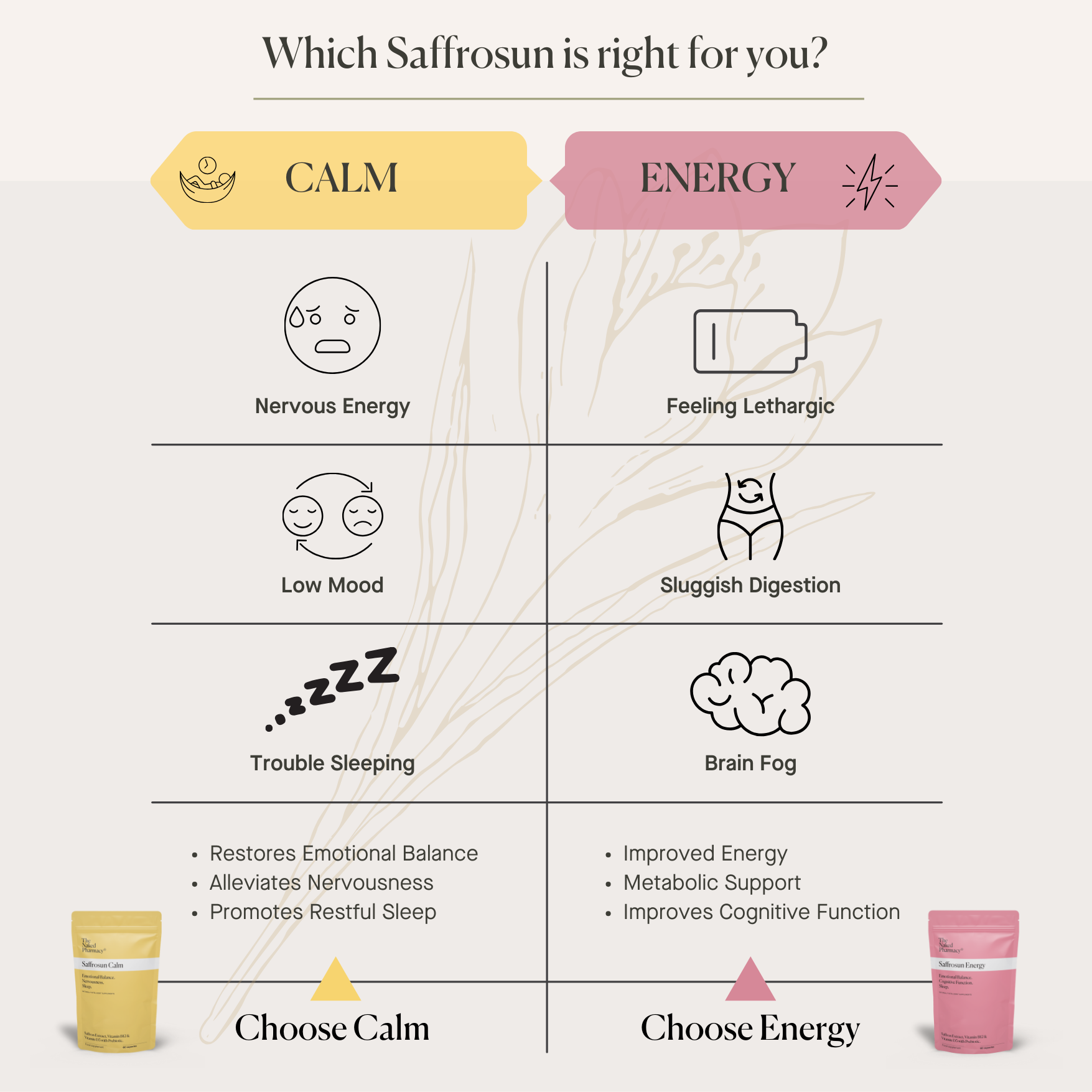
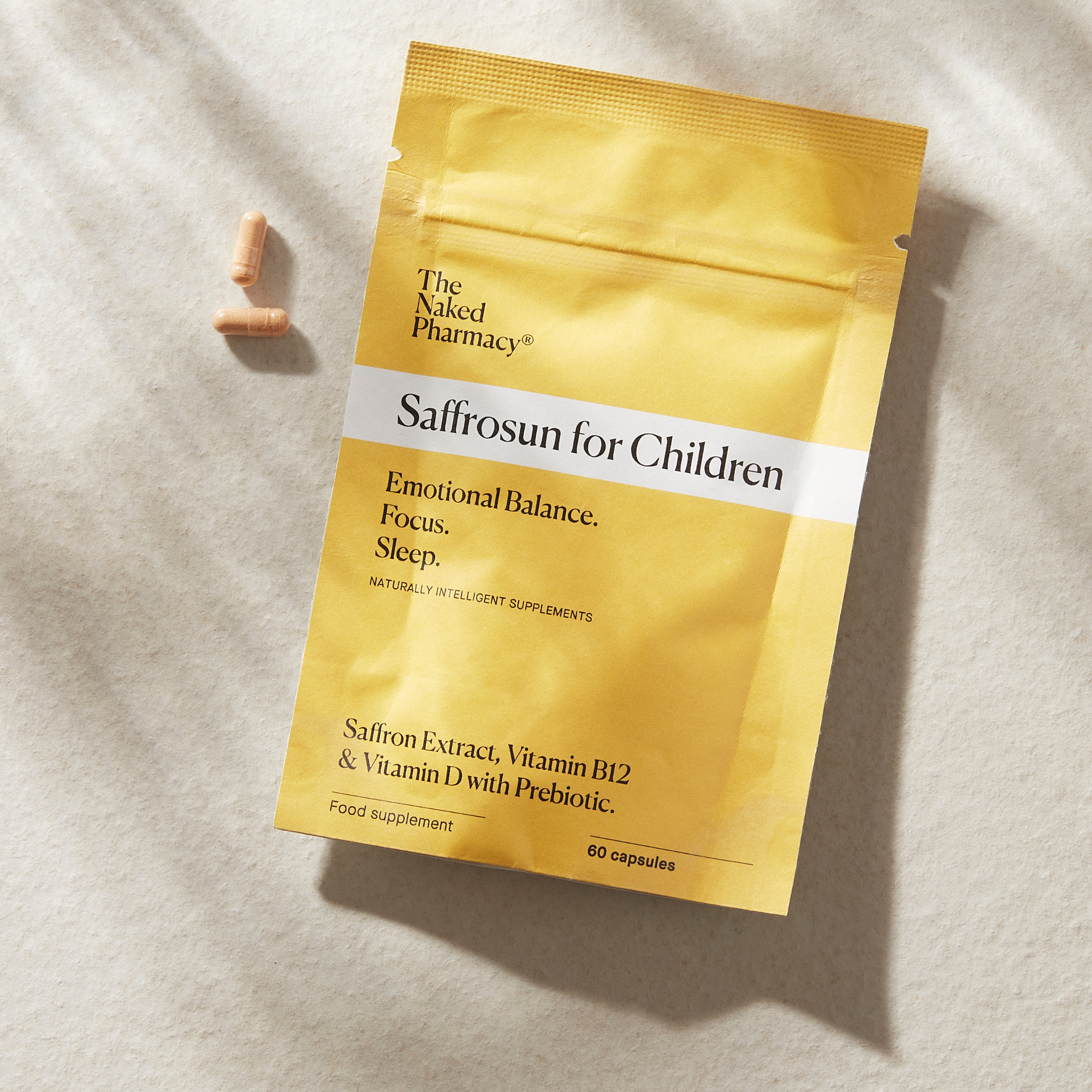
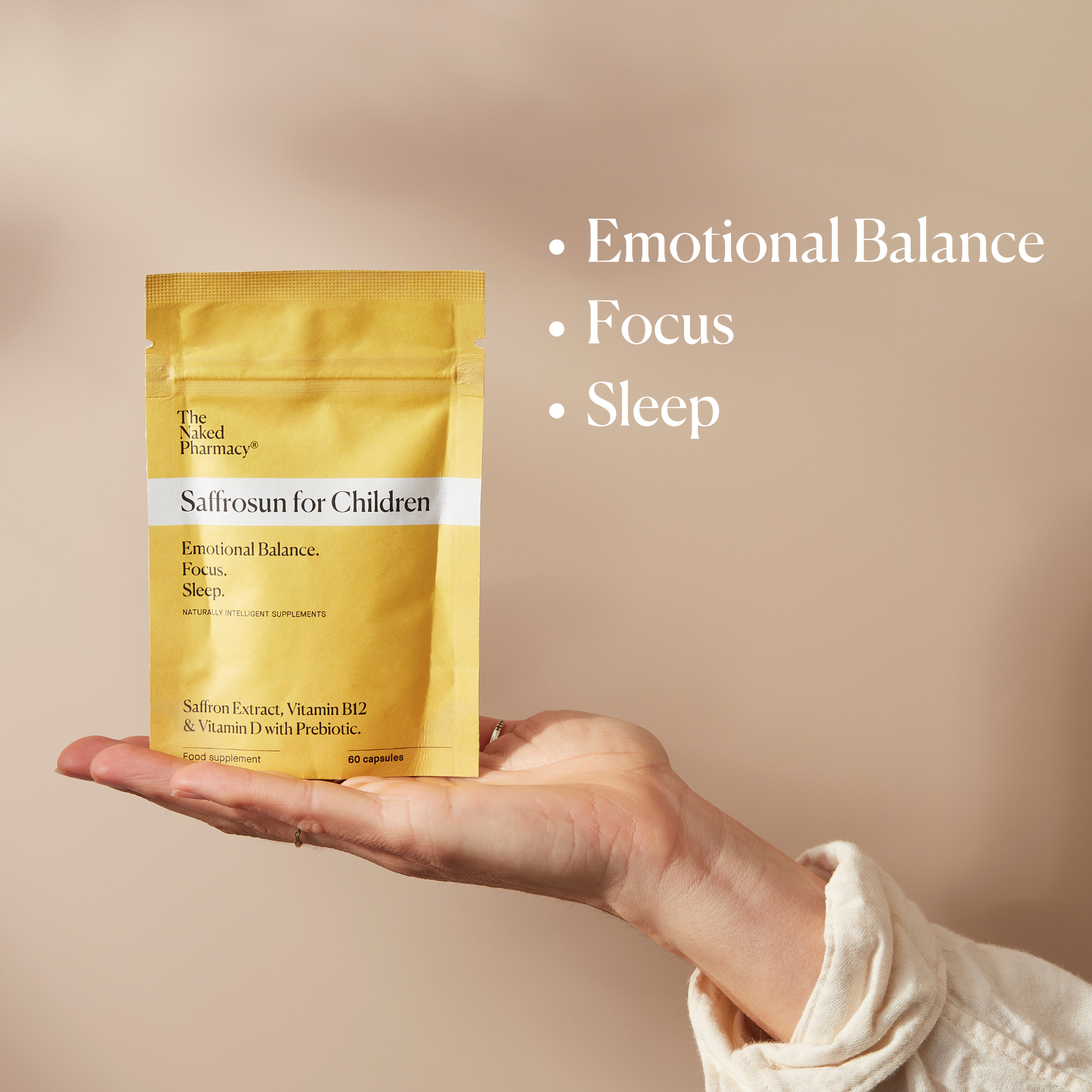
We use Affron® in our Saffrosun range (Saffrosun Energy, Calm & Children). This extract contains the bioactives crocin, picrocin at 3.5% and safranal at min 0.2%.
For Ashwadisiac for Women, we have sourced a concentrated saffron extract containing 7.5% crocin and 3.5% safranal. This concentrated extract enables us to achieve the same therapeutic effect at a lower dose and allows us to include this unique ingredient in our formulation alongside 5 other powerful botanicals.