Key takeaways
- Your gut and sleep are closely linked - the gut–brain axis helps regulate stress, circadian rhythm and the quality of your rest.
- Broken or unrefreshing sleep can be an early signal that your internal balance needs support - not just your bedtime routine.
- Consistent daily habits like supporting your gut and nervous system can help create the right foundations for better sleep over time.
- Pharmacist-recommended support: Gut Love helps maintain digestive balance and internal stability, while Marine Magnesium supports nervous system function and relaxation as part of a consistent evening routine.
If your sleep has become lighter, more broken, or weirdly unrefreshing, you’ve probably tried the obvious fixes. Earlier nights. Less caffeine. A more virtuous bedtime routine. Possibly a supplement stack that looks like it’s training for a marathon.
And yet.
There’s a quieter factor getting increasing scientific attention: the relationship between gut health and sleep, via the gut-brain axis - the communication network linking your gut, nervous system, hormones and immune system. This growing area of research explores how the microbiome may influence stress regulation, inflammation and circadian rhythms (your internal body clock), all of which can shape your sleep quality.
The reason this matters is not glamorous but it is important: it supports prevention. Because no-one wants to wait until insomnia or fatigue becomes their new normal. We explore how to support the right foundations early to gently and consistently improve sleep - without turning your whole life into a spreadsheet.
What is the gut–brain axis (and why does it matter for sleep)?

The gut–brain axis is the two-way communication system between your gastrointestinal tract and your central nervous system.
It involves:
- the gut microbiome (trillions of microbes living in your digestive tract)
- the vagus nerve (a major signalling route between gut and brain)
- immune and inflammatory pathways
- hormonal and neurotransmitter signalling linked to mood, calm and sleep regulation
Your gut doesn’t just ‘switch off’ your brain at night. But it can influence the conditions that make sleep easier: calmer stress signalling, steadier inflammatory balance and more stable circadian cues - the sleep/wake cycles. The upshot is that gut disruption can show up as sleep that feels brittle. Supporting the gut-brain axis early can help keep that system steadier over time.
A two-way street: your sleep affects your gut, too
It’s worth noting that this connection isn’t a one-way street. Sleep and the microbiome appear to influence each other.
Researchers have found differences in microbiome composition, often including reduced diversity and shifts in key bacterial groups.
At the same time, when researchers look at interventions that try to ‘modulate’ the microbiome (for example, certain probiotics or prebiotics), the results are mixed. A 2023 review found the overall evidence isn’t consistently strong across studies – that's why we’re cautious about big claims and focus on the boring-but-effective basics.
Where inflammation fits
One of the common threads linking poor sleep, gut disruption and long-term health is chronic low-grade inflammation. It’s not the dramatic, headline-grabbing inflammation. It’s the slow simmer – something that’s easier to influence earlier than later.
Read our blog about Chronic Inflammation here
Modern diets, ultra-processed foods, and why eating well isn’t always enough.

In an ideal world, we’d all eat brilliantly. In real life, modern diets often drift towards convenience, and that’s where those pesky ultra-processed foods come in. And we know, they’re everywhere.
In large population studies, higher ultra-processed food intake has been linked with higher levels of CRP – a blood marker associated with ongoing low-grade inflammation. Not dramatic, not instant – but meaningful over time.
This doesn’t mean you need to panic whenever someone hands you a supermarket wrap. It means patterns, over time, matter. Processed foods like fizzy drinks, sugary cereals and similar can gradually shift the gut environment, and inflammatory balance, in the wrong direction. Sleep is often one of the first places that imbalance shows up.
Even with excellent intentions, nutritional gaps creep in. Stress, travel, appetite swings, “I’ll cook tomorrow”, and the occasional week where you’re held together by toast. Which brings us to the real secret weapon: consistency.
Prevention over cure: how everyday habits shape long-term health
As a society, there’s more of a shift from reactive health — the sort of thing that says we’ll deal with it when it breaks — to a more preventative mindset that supports health before symptoms appear.
Longevity isn’t shaped by extreme cleanses or heroic routines, mushroom teas or miracle gummies, it’s shaped by what you do often enough to become unremarkable. And the microbiome responds to repeated inputs: fibre patterns over weeks, regular meal timing, stable sleep rhythms.
If you want the short version: consistency beats intensity, almost every time. Read our blog to find out more here
How to support gut health and sleep naturally (without trying to be perfect)

You don’t need a biohacking lab. You need repeatable basics.
1) Feed your microbes
More fibre-rich plant foods support microbial diversity and the production of metabolites that interact with inflammatory and nervous system pathways. If you’re currently low-fibre, build slowly: beans, lentils, oats, seeds, vegetables.
2) Keep meal timing roughly regular.
Gut microbes follow daily rhythms too. A 2025 review on chrononutrition highlights how circadian misalignment and irregular eating can influence microbiome balance and metabolic outcomes.
3) Get daylight early, dim things later.
Light is one of the strongest cues for circadian rhythm — and circadian rhythm influences both sleep regulation and gut-related rhythms.
4) Protect your nervous system wind-down.
Chronic stress can disrupt digestion and sleep at the same time. The best wind-down routine is the one you’ll actually do: a short walk, meditation, slower breathing, a book, a warm shower. Nothing fancy. Just be consistent.
Supplements: Where they fit

Supplements work best alongside habits, not instead of them. Think of them as a daily baseline that supports consistency, especially during stress, disrupted routines, travel or patchy diet quality.
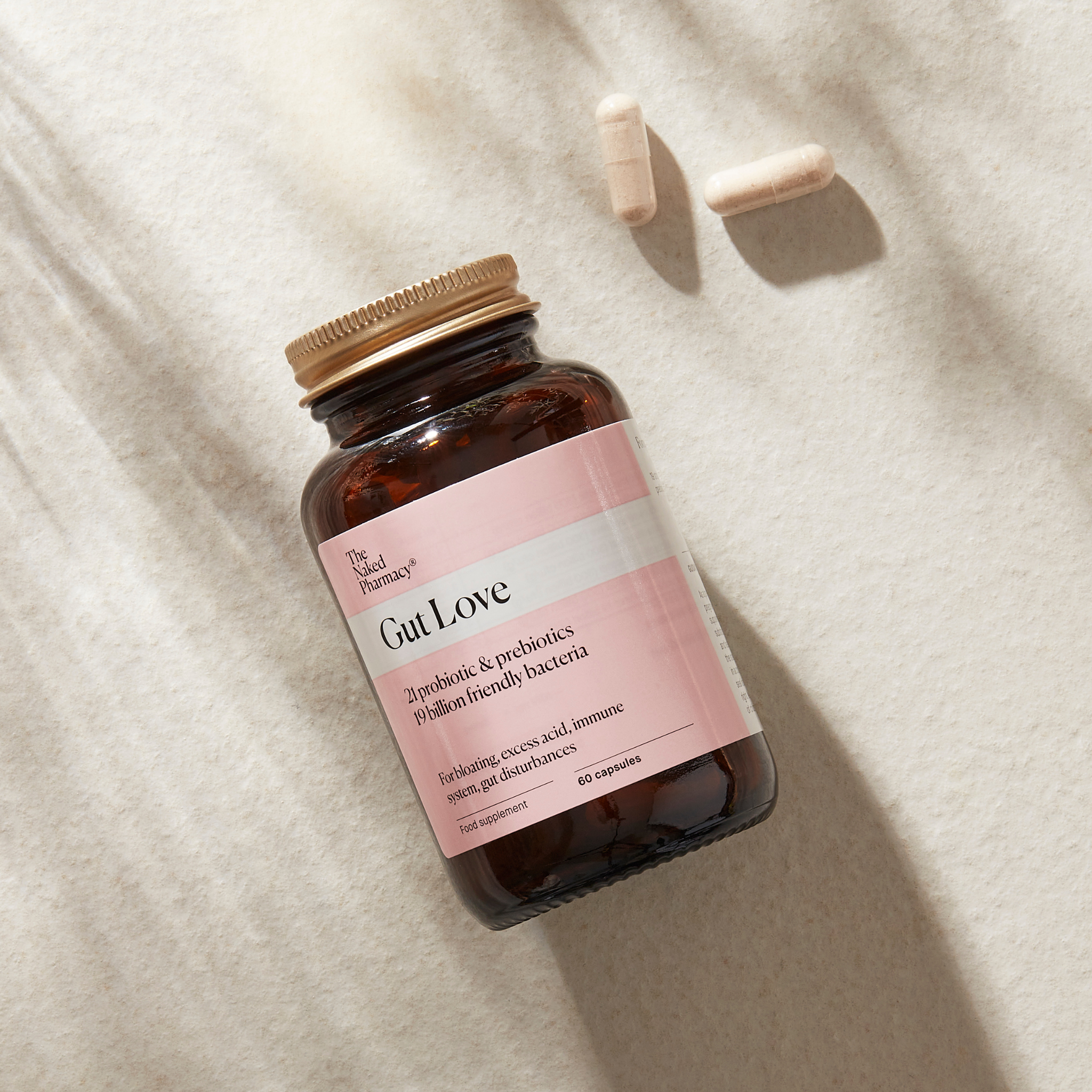
Gut Love is designed to support digestive comfort and microbiome balance, helping create a steadier internal environment that’s less reactive over time.
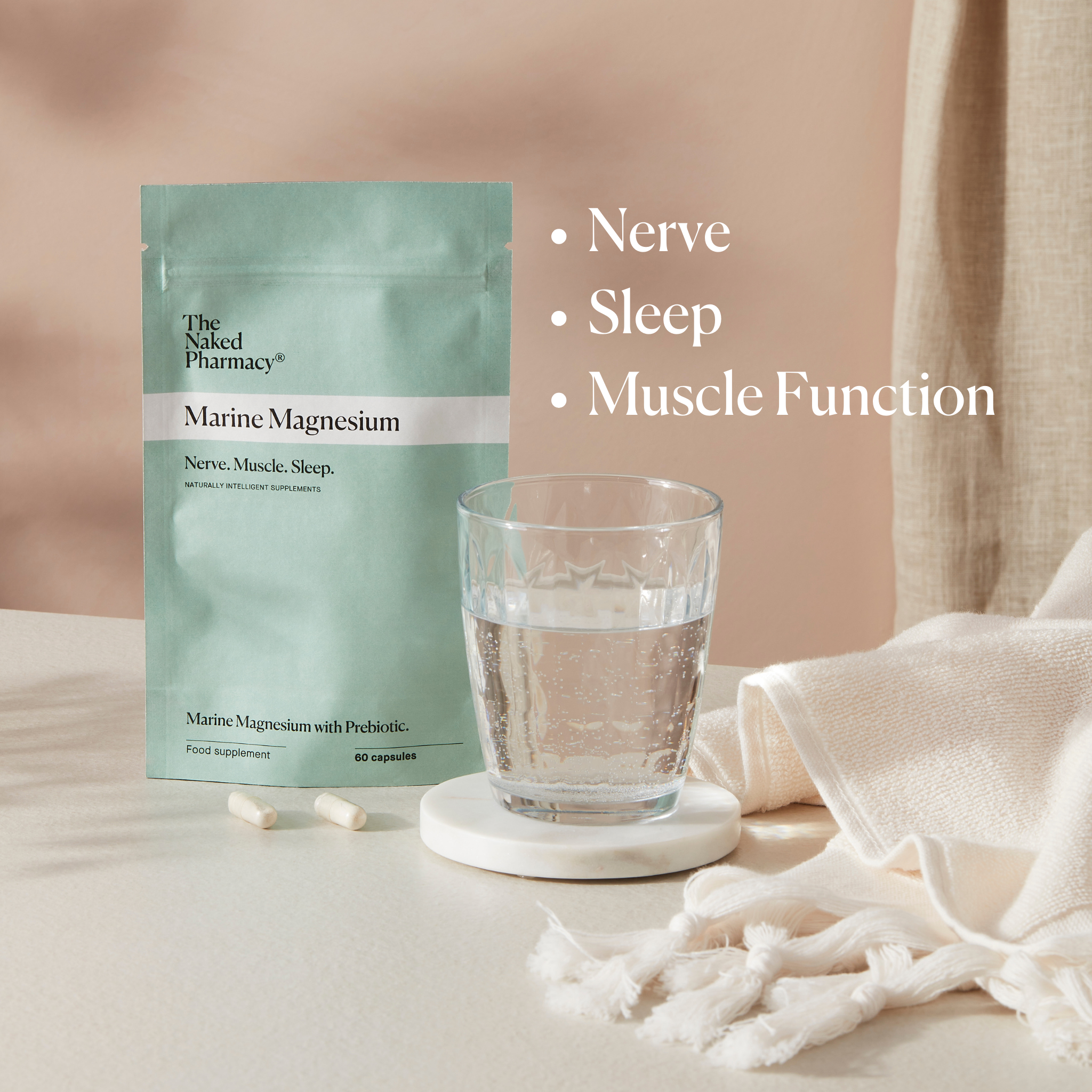
Marine Magnesium supports nervous system function and muscle relaxation. This is about steady support, not dramatic life hacks that’ll fix your sleep in three nights or your money back. Read our blog about how supplements work.
Gut Health and Sleep: FAQs
Can gut health really affect sleep quality?
Yes. Emerging science suggests microbiome may influence sleep indirectly via the gut-brain axis (immune signalling, stress response, circadian rhythm and neuroactive compounds). It’s not a single switch, but it’s part of the picture.
Can poor sleep change the gut microbiome?
It appears so. Studies have found microbiome differences in people with insomnia compared with good sleepers, often including reduced diversity. Cause and effect can be tangled - but essentially, the relationship works both ways.
Do probiotics help with sleep?
They can, yes. Through several pathways including neurotransmitter production by stimulating the production of GABA and serotonin, which is a precursor to the sleep hormone melatonin. They can also help lower the stress hormone, cortisol, that can keep you awake. It’s not a direct miracle fix though.
If I don’t have digestive symptoms, is this still relevant?
Often, yes. You don’t need obvious bloating for gut signalling to affect stress response and sleep regulation. Many changes are subtle.
How long does it take to notice changes from diet or supplements?
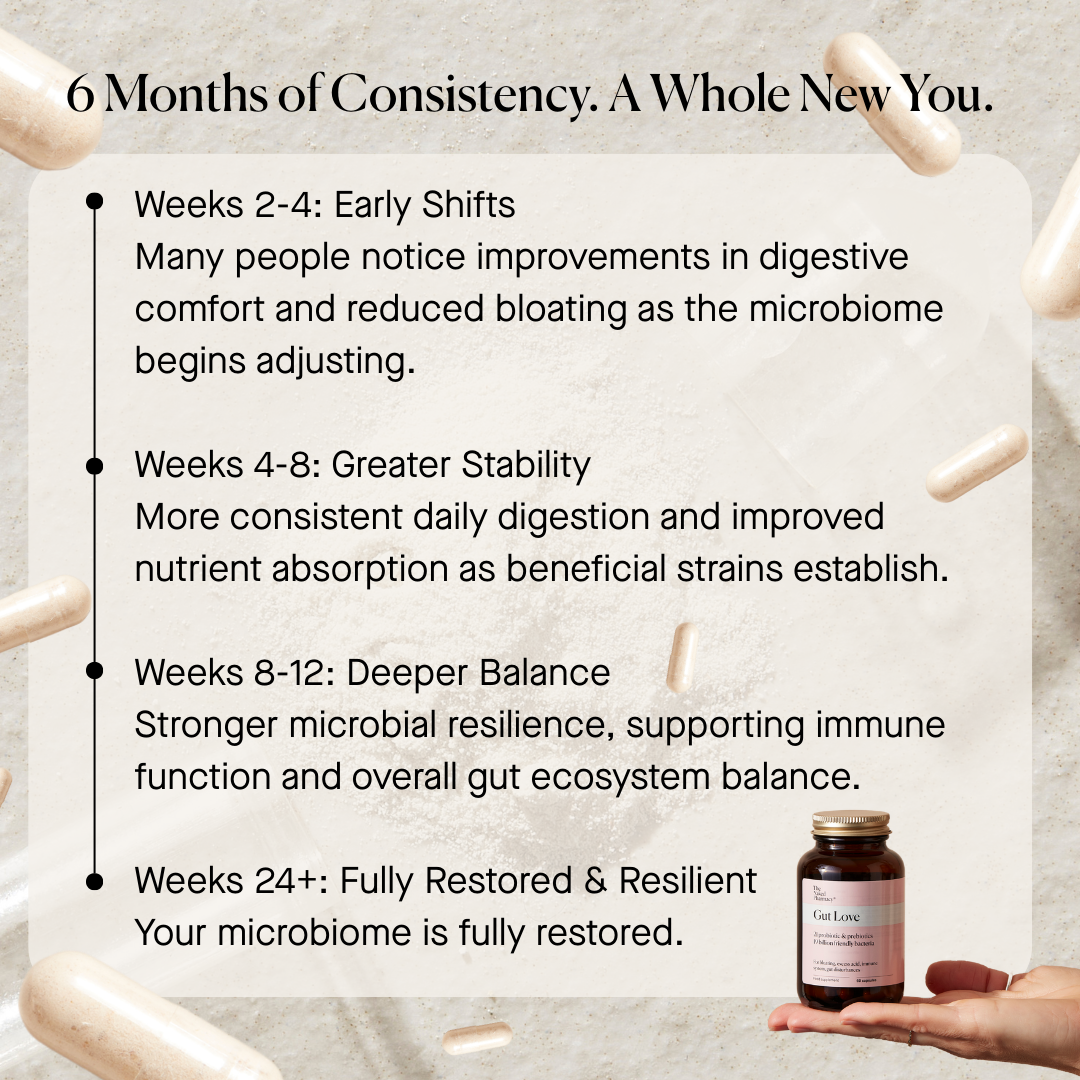
It varies from person to person. Some people notice shifts within a couple of weeks. Deeper change tends to build with consistency, which although might be annoying if you want to sleep ‘now’ but it’s reliably effective as it works with your body.
Is magnesium actually helpful for sleep?
Magnesium supplementation has shown improvements in sleep, though it’s better to think of it as nervous-system support than a sedative.
Call us
Want help joining the dots between gut, stress, routine and sleep? Book a call with our pharmacists for personalised support with getting your sleep back on track.