Ever walked into a room and forgotten why? Gone to introduce someone to a friend only to find you’ve drawn a complete blank on their name? How about work? Been mid-meeting and suddenly when you’re asked for your take, your brain’s suddenly hit ‘pause’. Well, this could well be menopause brain fog.
It's not a sign you're 'losing it’, though lots of women sometimes feel that way. It’s a very real and very common part of hormonal changes during midlife. And while it can be frustrating and even a bit embarrassing, there are ways to sharpen things back up.
What exactly is brain fog?

Brain fog is just another way of saying your memory and focus feel off. It might look like:
- Forgetting what you were about to say
- Struggling to find the right word
- Misplacing your phone, keys… or glasses on your head etc
- Getting distracted easily
- Walking into a room and thinking, “What was I doing here again?”
If this sounds familiar, you’re not alone; 73% of UK women aged 45–55 said they had brain fog linked to menopause
Why does it happen?
It’s all about hormonal shifts. As oestrogen and progesterone levels dip, so does their effect on the brain. These hormones usually keep your memory, mood and focus ticking along smoothly. When they wobble:
- Your memory misfires (forgetting names, stories, or why you came upstairs).
- Your mood wobbles (irritability, anxiety).
- Your sleep suffers — which makes everything worse.
One biggie is GABA (gamma-aminobutyric acid) — a calming brain chemical that acts a bit like a brake pedal, helping your brain switch off and your body relax. When oestrogen falls, so does GABA, leaving you wired, anxious, and struggling to unwind.
And there’s science to prove it: a UK longitudinal study confirmed that processing speed and memory decline during perimenopause correlate directly with these hormone shifts.
The knock-on effect at work and home

This isn’t just about forgetting the odd birthday. Brain fog can affect your career and day-to-day life.
- A survey of 900 women from professional, managerial and administrative roles found that the most problematic symptoms at work were poor concentration, extreme tiredness and poor memory. It’s little surprise that this was followed by low mood and reduced confidence.
- Among respondents, 53% said working during the menopausal transition was “somewhat or extremely difficult.”
- 10% reported leaving their jobs because of symptoms
- At home, 42% revealed that poor memory affected their everyday life, from missed appointments to losing track of things in the middle of conversations
How long does it last?
For many women, brain fog is worst during perimenopause (the years leading up to the last period) and then eases once menopause has passed. For others, it can stick around.
Research using UK Biobank brain scans showed that after menopause, women’s brains shrink a bit faster than before: about 5.89 millilitres of brain volume lost per year, compared with just 1.61 millilitres before menopause.
To put that into perspective, it’s the difference between losing roughly a teaspoon of brain tissue each year versus a third of a teaspoon – which is around half a percent of the old grey matter.
Still, the message is clear. By looking after your brain during this stage isn’t just about clearing today’s fog, it’s about an investment into your long-term brain health.
But could it be dementia?

Worried your menopause brain fog might be dementia? You’re not alone – after all it’s one of the most Googled midlife health concerns. The good news? They’re not the same thing.
Here’s the key difference:
- Brain fog is hormone-driven, patchy and temporary.
- Dementia is caused by brain disease and symptoms progress and don’t go away.
Brain Fog vs Dementia
| Menopause Brain Fog | Dementia |
| Comes and goes (often worse during perimenopause) | Gradually gets worse over months and years |
| Linked to hormone shifts, poor sleep, stress | Linked to brain cell damage and disease (e.g. Alzheimer’s) |
| Improves with lifestyle changes, supplements, or HRT | Does not improve without medical treatment |
| Forgetting words, losing focus, misplacing things | Struggling with daily life: confusion, disorientation, personality change |
Menopause brain fog is frustrating but reversible. Dementia is progressive and long-term. If your memory issues are getting steadily worse or affecting your daily independence, give us a call or speak to your GP.
What helps?

How to tackle Menopause Brain Fog, Naturally
The good news? Brain fog isn’t permanent – and you don’t have to put up with it. A mix of the right supplements and lifestyle shifts can make a huge difference. Here’s what science (and real women) say works …
Supplements That Support Clarity
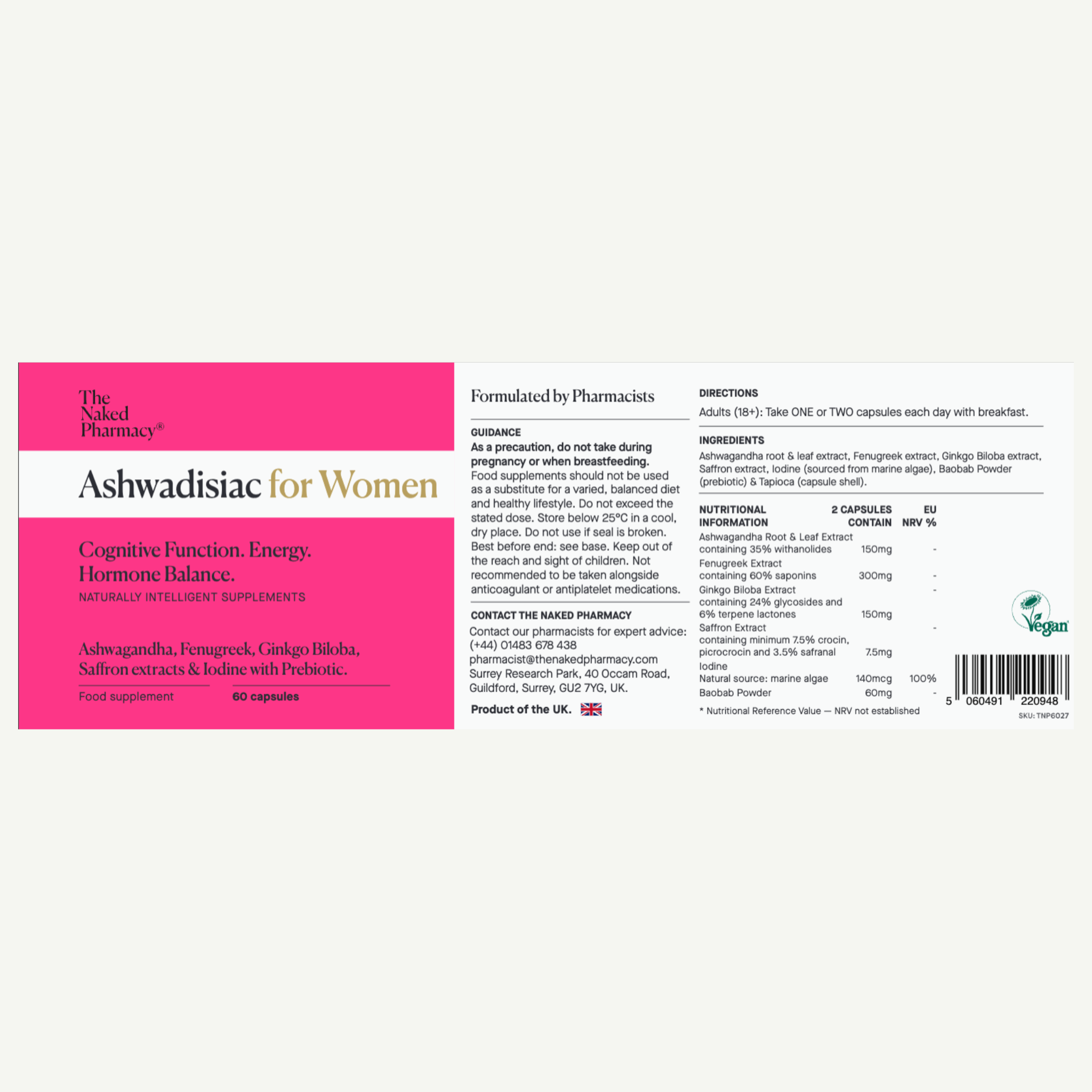
Adaptogens are nature’s stress buffers. These are clever plants that help your body cope with stress and keep your mind sharp, with plenty of research backing their brain benefits:
- Ashwagandha – improves memory and focus
- Saffron – boosts mood and reduces anxiety
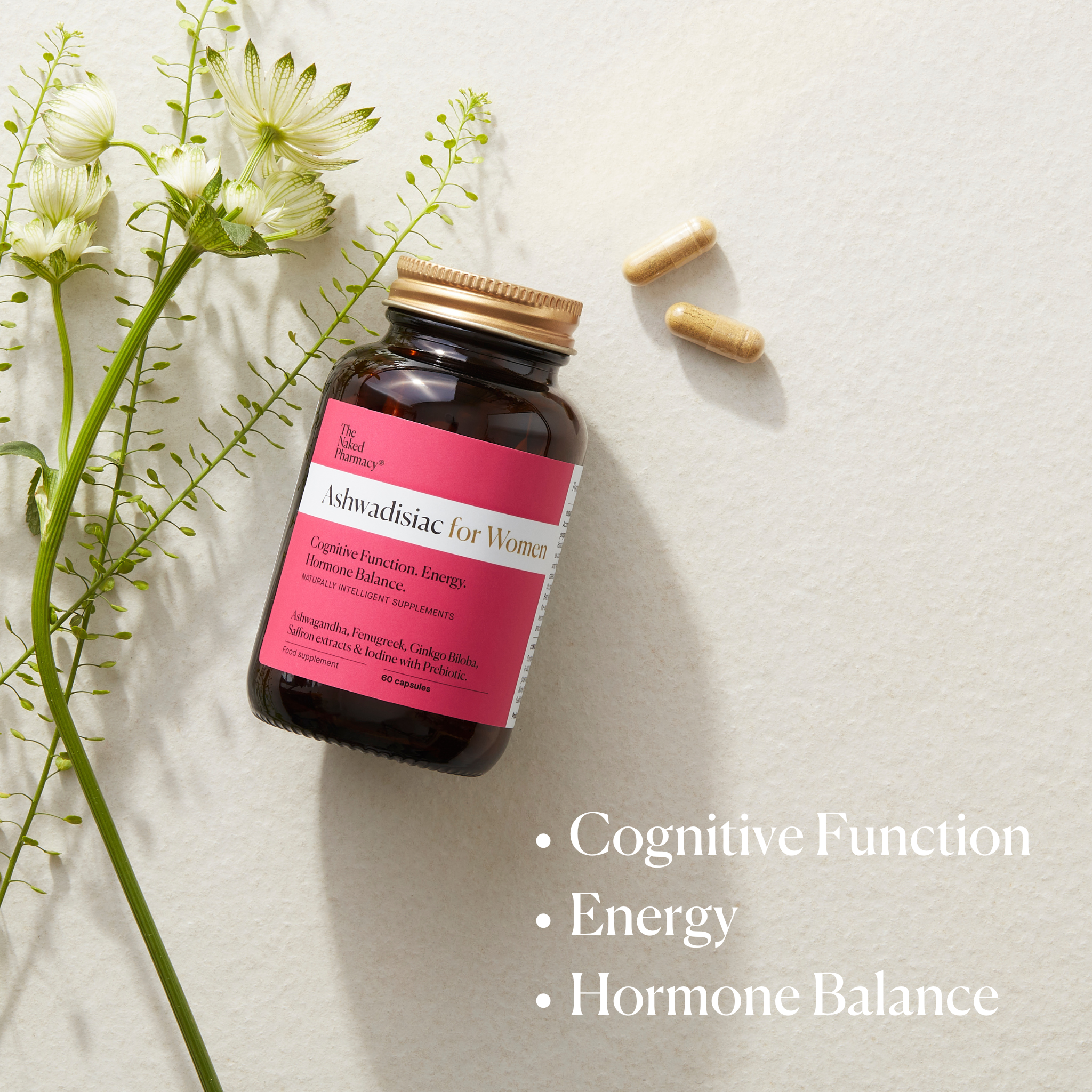
Other botanicals in Ashwadisiac for Women also support mental clarity and focus:
- Ginkgo biloba – supports attention and blood flow to the brain
- Fenugreek – helps steady concentration
Together, these ingredients make Ashwadisiac for Women a natural formula designed to tackle brain fog, energy dips, and memory slips, with the bonus of supporting libido.
Magnesium: The Chill Mineral
Magnesium is essential for relaxation, sleep, and sharper thinking. The trouble? Most of us in the UK don’t get enough.
A UK study found that women with higher magnesium intake had 1.2% more grey matter and 3% larger hippocampal volume – the very areas linked to memory and learning.
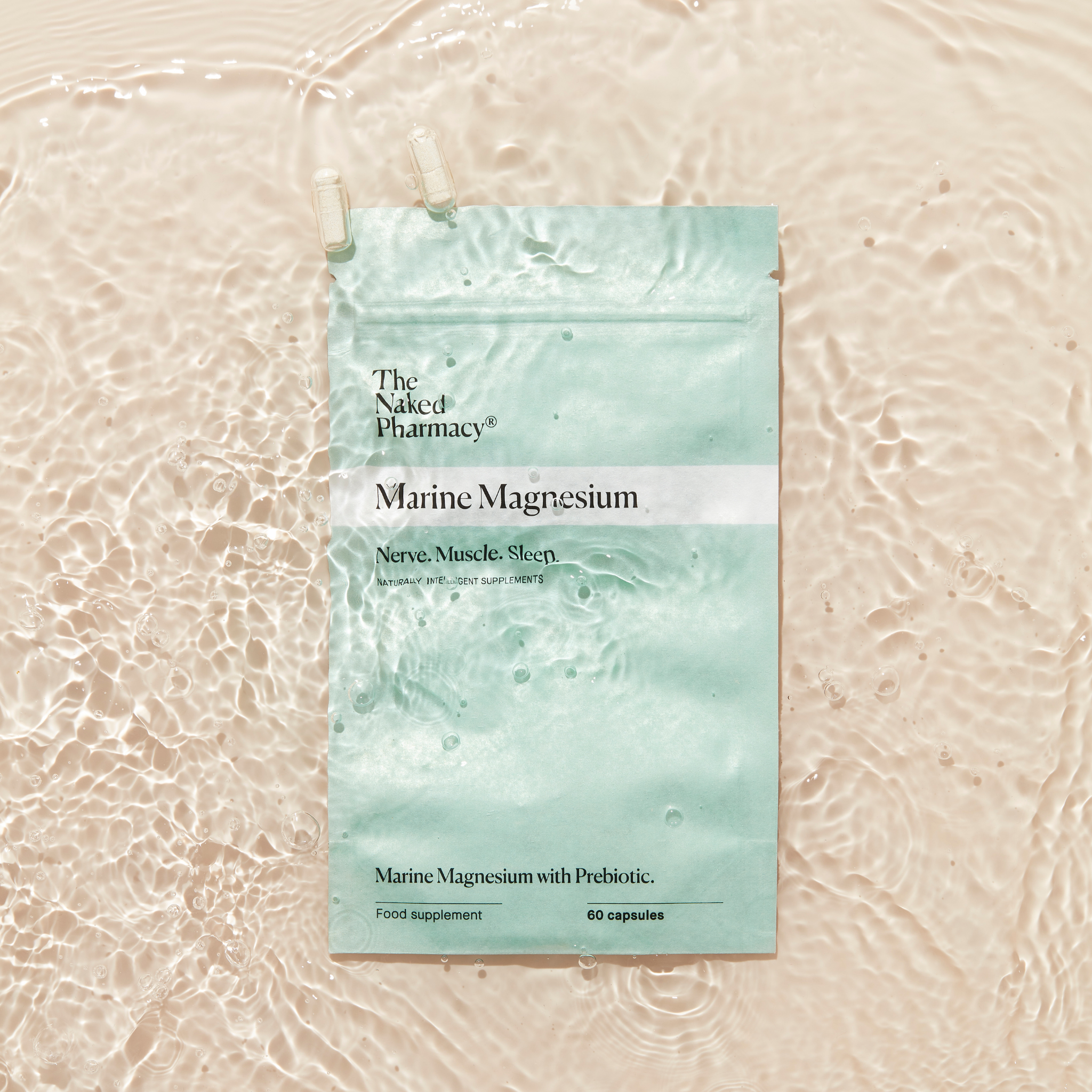
That’s why Marine Magnesium is a simple way to get your brain (and your sleep) back on track.
Lifestyle Hacks That Make a Difference

Supplements work best when paired with smart daily habits. These natural fixes for menopause brain fog don’t just help in the moment – they protect your brain long-term too:
- Move more. Regular exercise increases blood flow and oxygen to the brain, boosting focus.
- Prioritise sleep. Cut late-night screens, ease up on caffeine and alcohol and keep your room nice and cool. Magnesium before bed can also help.
- Eat brain food. A Mediterranean-style diet rich in omega-3s, leafy greens and whole foods fuels your neurons.
- Mind Your Mind — UCL’s meta-analysis of 30 studies (3,500+ women) found that mindfulness, meditation, and CBT significantly improved mood, memory, and concentration during menopause, not just hot flushes and sleep.
Your brain boost take-away
Menopause brain fog is common affecting nearly three in four women in the UK but it doesn’t have to ruin things for you.
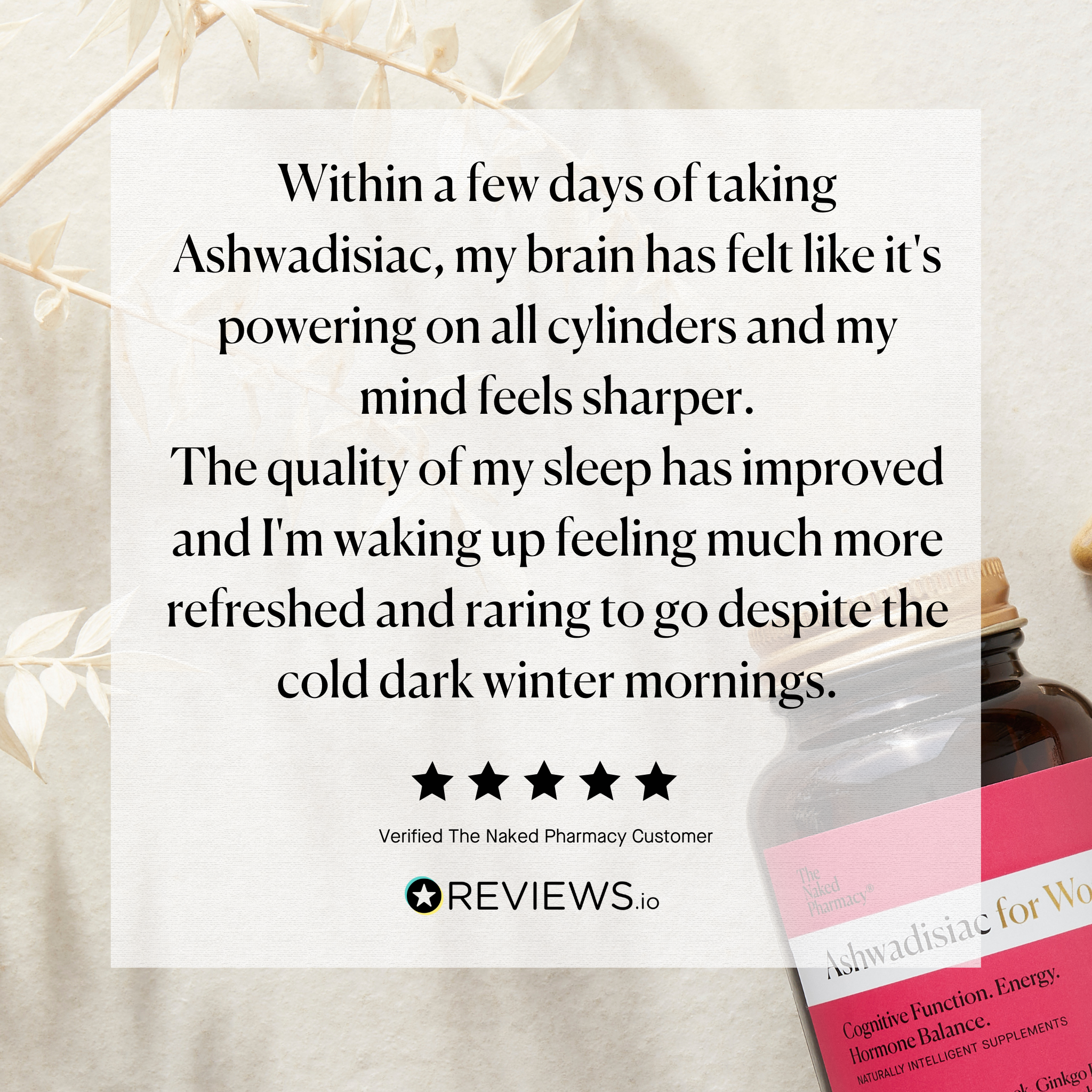
- Ashwadisiac for Women supports focus, clarity and energy.
- Marine Magnesium calms your nervous system and helps you sleep.
- Small lifestyle tweaks can make the results stick.
Menopause is unavoidable. Losing your sharpness? Well, at least that’s something you can tackle and with the right support and some self-care, you can do a lot to help it lift.