The Immune System Solution

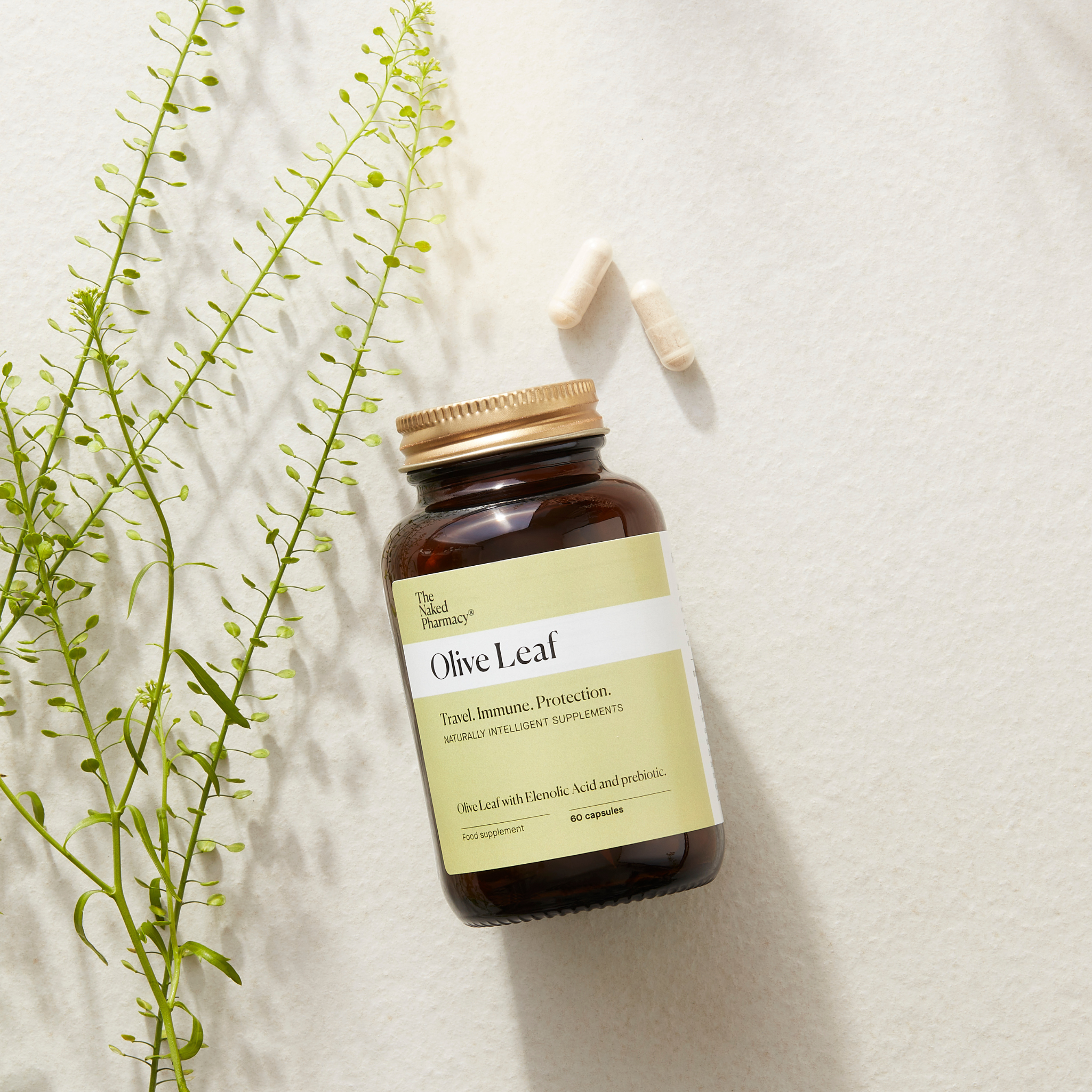
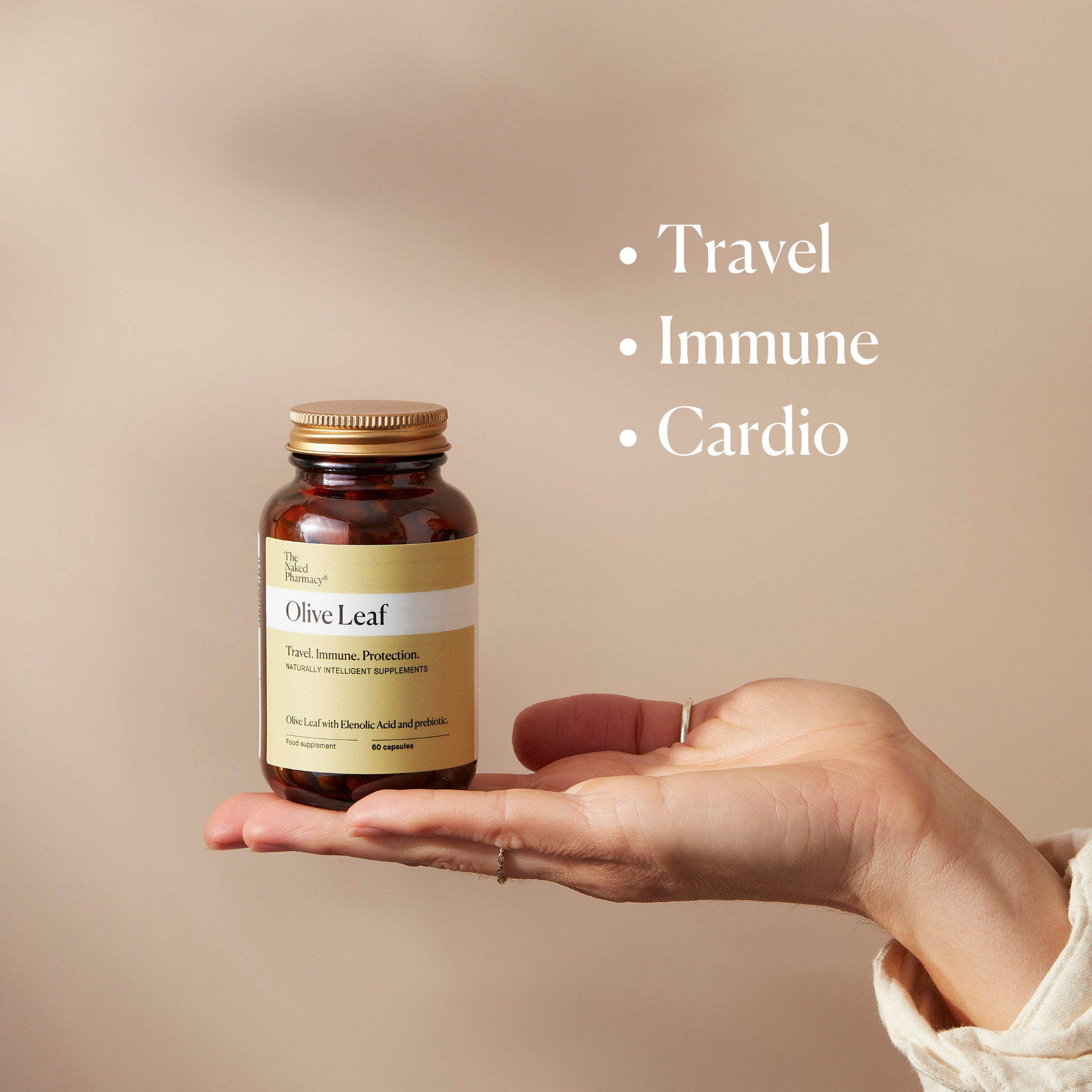
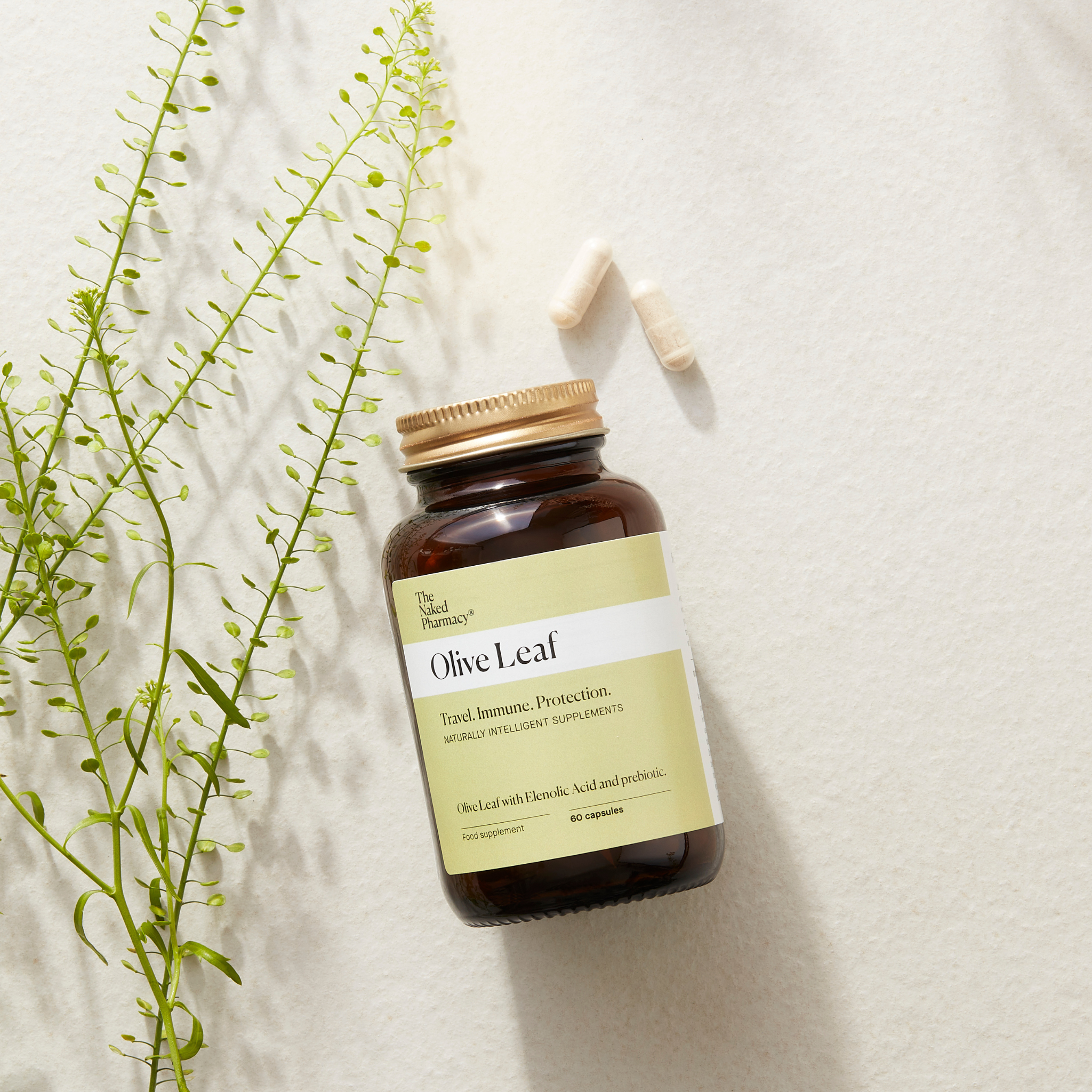
Olive Leaf

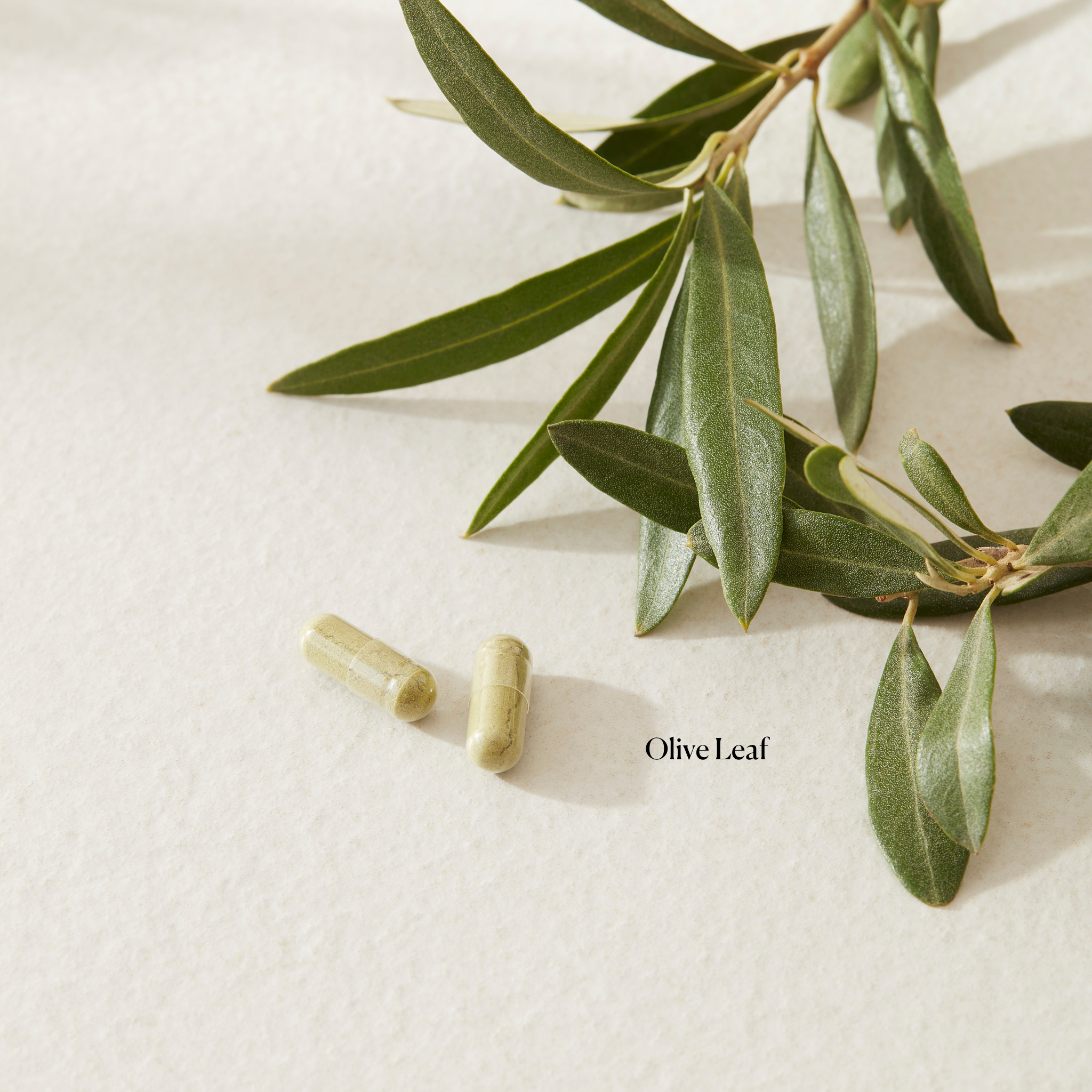
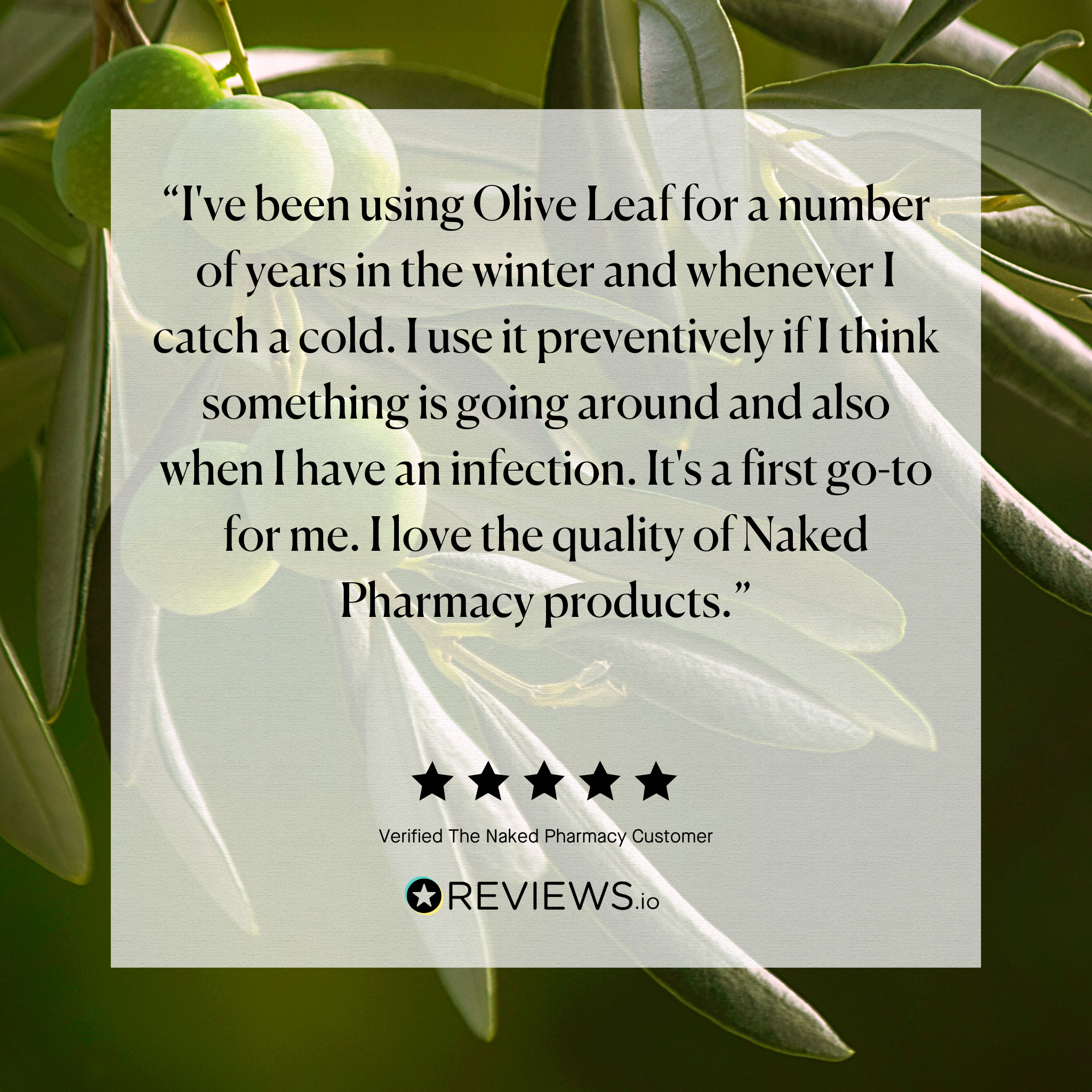
Olive leaf extract has been used to treat inflammation and infection for centuries. Packed with high levels of change to the plant phytochemical Oleuropein, olive leaf is known for its immune-boosting benefits. We use pharmaceutical technology to increase the strength of the natural component ELA in order to strengthen the immune system effects of this remedy.

What Olive Leaf can do for you?

Olive Leaf helps your immune system fight off bugs and supports healthy blood pressure.

  • Supports your immune system
  • Helps protect your immune system from seasonal challenges
  • Can be taken safely alongside antibiotics
  • Provides protection against ear nose and throat infections

The Science

Olive Leaf extract is derived from the leaves of the olive tree and is rich in polyphenols, particularly oleuropein and hydroxytyrosol. These compounds exhibit potent antimicrobial, antioxidant, and cardioprotective properties. Olive Leaf supports the immune system by inhibiting viral replication and reducing inflammation, while also promoting healthy blood pressure and circulation. It is especially helpful during periods of immune vulnerability or cardiovascular stress. By combining defence with metabolic support, Olive Leaf acts as a multifaceted shield for modern immune and heart health.

Still unsure?

We’re all ears, get free expert advice from our pharmacists.

The Studies

"At The Naked Pharmacy, we ensure that all of our supplements are made with effective strength bioactives, so they are clinically proven to work.

We aim for each supplement to be scientifically supported by multiple randomised placebo-controlled studies. All clinical trial studies we use to support our supplements are undertaken on human patients, using the same dosage and formulation of the product. The scientific studies are published in peer review journals."

The scientific studies to support our claims on olive leaf and elenolic acid are published in the following peer-reviewed journals:

Olive Leaf

Role of oleic acid in immune system; mechanism of action; a review by Carrillo C et al, 2012.

What the study was about:

The review looked at the role of oleic acid—a type of fat found in foods like olive oil—in inflammation and how it might affect the immune system.

How they did it:

Researchers gathered and analysed many existing studies about oleic acid’s effects on inflammation and immune cell functions, comparing different types of studies and doses used.

What they found:

Diets rich in oleic acid seem to have benefits for inflammation-related diseases. Oleic acid may influence immune cells and reduce inflammation, but some study results differ depending on study methods and dosage.

What it means:

Oleic acid likely acts as an anti-inflammatory fat and may help regulate immune system responses, though more research is needed to fully understand its effects.

Glossary of terms:

There are a few key terms to be aware of when reviewing these studies:

Randomised Clinical Trial

A clinical trial in which the participants are assigned randomly (by chance alone) to different treatments.

Double-blind study

A study in which neither the participants nor the experimenters know who is receiving a particular treatment. This procedure is utilised to prevent bias in research results.

Double-blind studies are particularly useful for preventing bias due to demand characteristics or the placebo effect.

P-value

The probability of obtaining the observed results of a test. The lower the p-value is, the more confident we can be of a true result. For example, a p- value of 0.001 confirms a result as 99.9% accurate.

Placebo

An inactive treatment used in a clinical trial, sometimes referred to as a “sugar pill”.

A placebo-controlled trial compares a new treatment with a placebo, in order to give greater confidence that the result is only due to the test/active ingredient.