(And what you can do about it)
Do you find your hips aching at night? Are your shoulders groaning when you reach overhead? Do you find yourself creaking when you get up from a chair? You may well think your midlife sounds like a percussion section. But here’s the good news: those everyday aches don’t have to be your new normal.
Much of that midlife creakiness, from stiff joints to sore muscles, is manageable once you understand what’s happening and how to support your body naturally.
What’s really going on: The 3 big shifts

1. Hormones and inflammation
As hormone levels shift with age, the body’s natural anti-inflammatory support can decline. Collagen production slows, joints feel drier, and tendons less elastic - that’s why you may notice more stiffness in your knees, shoulders, or hands, even without injury.
2. Muscle loss (sarcopenia)
From about 40 onwards, we lose around 1% of muscle mass per year unless we actively resist it. Less muscle means less joint support, so even small stresses feel magnified.
3. Connective tissue changes
Collagen turnover drops, cartilage thins, and ligaments lose bounce. Combined with modern posture and long hours at a desk, it’s no wonder we ache more.
Did you know? Over 70% of perimenopausal women report joint or muscle pain, according to UK and European studies (PubMed, 2023).
The usual suspects: Where midlife pain strikes

1. Frozen shoulder
A classic in peri- and post-menopause. Oestrogen decline affects connective tissue, while low-grade inflammation tightens the shoulder capsule. It creeps in gradually, worsens at night and can last months.
2. Hip pain (especially when lying or walking)
Hormonal and postural changes, plus weaker glutes, can irritate tendons and bursa around the hip joint. If your hips ache after sitting or sleeping, you’re absolutely not alone.
3. Knees, fingers and wrists
- Knees: thinning cartilage and weaker leg muscles.
- Hands/wrists: fluid shifts and tendon stiffness, often causing carpal tunnel or trigger finger.
- Fingers: morning stiffness, mild swelling and that charming creak known as crepitus.
4. Back and neck pain
A perfect storm of reduced muscle tone, stress tension and too much time hunched over screens. Don’t we all know it?
Why menopause makes joint pain worse?

Menopause doesn’t cause pain, but it often ramps up the volume. Here’s why:
- Less oestrogen means more inflammation: oestrogen normally dampens inflammatory pathways. Without it, micro-inflammation builds.
- Bone and cartilage health: oestrogen loss accelerates bone thinning and cartilage wear, increasing pressure on joints.
- Muscle loss and metabolic shifts: less lean muscle, more fat infiltration and insulin resistance make tissues slower to recover.
- Poor sleep and stress: both heighten pain perception and delay healing.
A UK study found postmenopausal women with low oestrogen and low muscle mass were twice as likely to report chronic joint pain (read more here ...)
Q&A: Your midlife aches, answered
Q: What causes joint pain in menopause?
A mix of hormonal changes, reduced muscle tone, and increased inflammation. Around half of all menopausal women report joint discomfort without arthritis.
Q: Does this mean I have arthritis?
Not necessarily. Many midlife aches are arthralgias – that’s pain without structural joint damage. But if pain persists, worsens, or swells, give one of our pharmacists a call or see your GP.
Q: Can turmeric really help?
Yes. Clinical trials show turmeric extracts (curcuminoids) can reduce joint pain and stiffness – sometimes matching ibuprofen for relief but without the gut irritation (Dovepress, 2025). However, not all turmeric is equal. Bioavailability – the proportion of active compounds your body can actually absorb and use – is key. A high-quality turmeric supplement should be formulated to maximise bioavailability, often by including black pepper (piperine), which boosts absorption by up to 2000%, so you get the full effect rather than just a pinch of spice in a capsule.
Q: What about magnesium for muscle pain?
Magnesium regulates nerve and muscle function. Restoring levels can ease tension, cramps and restlessness. It’s particularly useful when stress and poor sleep fuel physical tension.
Q: When should I worry?
Red flags include sudden swelling, redness, night pain that wakes you, or numbness. If you can’t use the joint normally after a few weeks of self-care, get checked.
5 ways to support your body naturally

1. Keep moving (even when stiff)
Regular movement improves circulation and keeps joints lubricated. Aim for at least two hours of structured exercise a week – split this between low-impact cardio (walking, swimming, cycling) and gentle resistance work.
2. Stretch and strengthen daily
Five minutes of shoulder rolls, hip openers and spinal twists can work wonders. For frozen shoulder, pendulum swings and wall crawls can maintain movement.
3. Mind your posture
Tiny tweaks can make a big difference. Ensure laptop height, supportive pillows, getting up hourly to prevent cumulative strain on the neck, spine, and hips.
4. Add targeted nutritional support
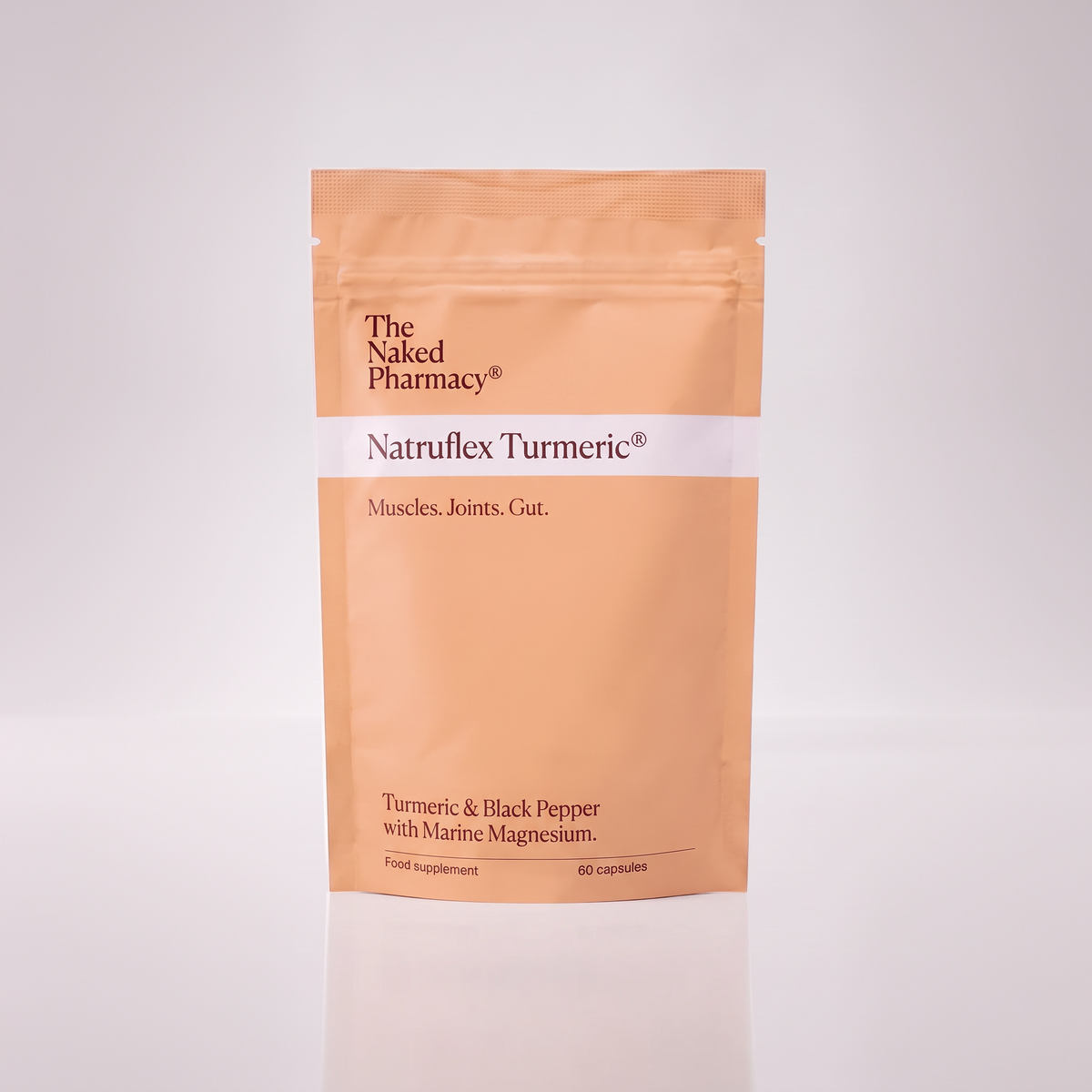
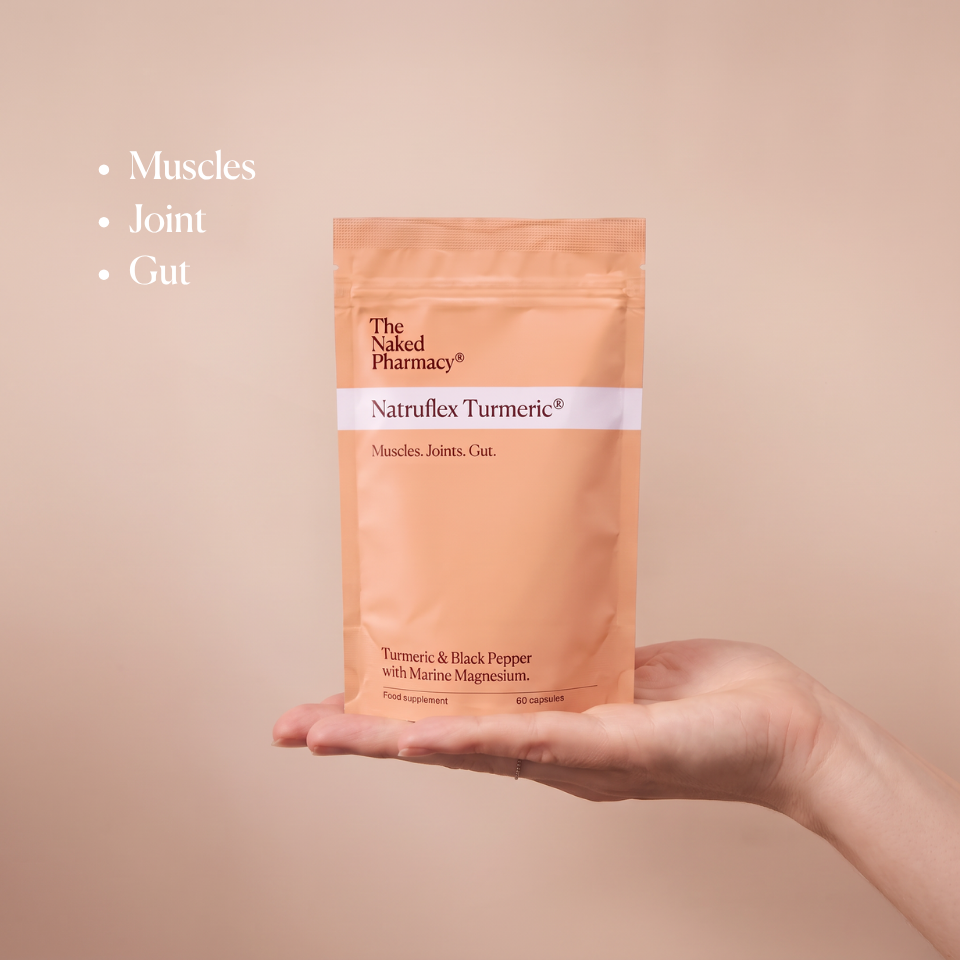
- Natruflex Turmeric: A pharmacist-formulated supplement with highly absorbable curcumin, clinically shown to ease stiffness and support joint mobility.
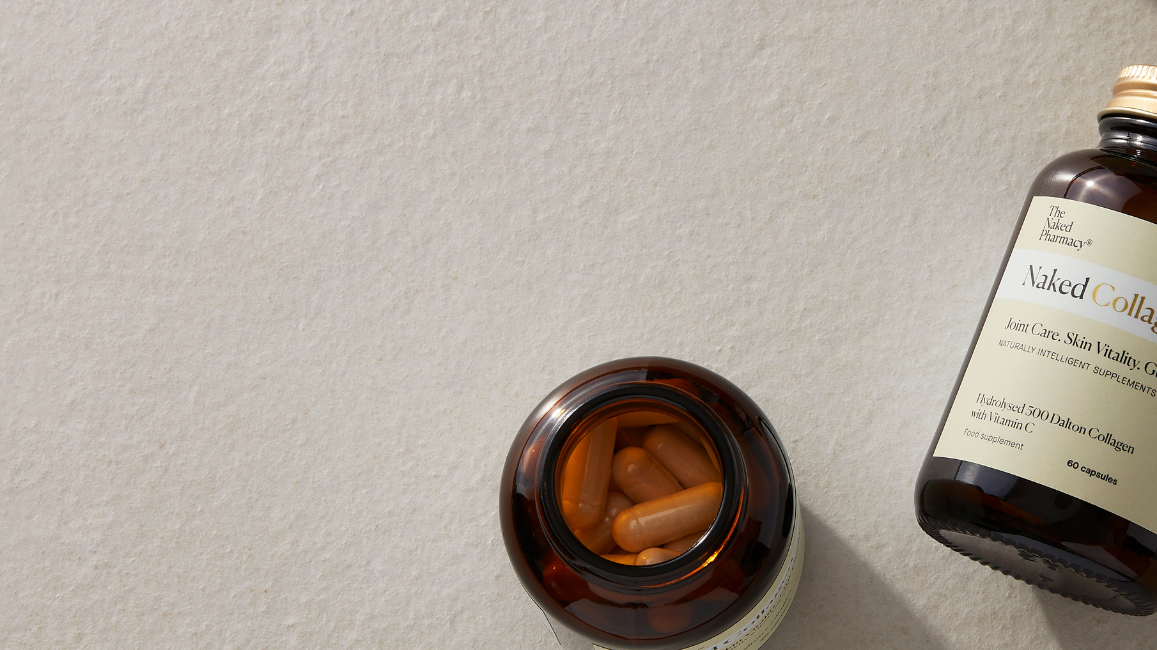
- Naked Collagen: As oestrogen drops, collagen production slows meaning stiffer joints and weaker connective tissue. Supplementing with collagen peptides can help restore comfort and flexibility.
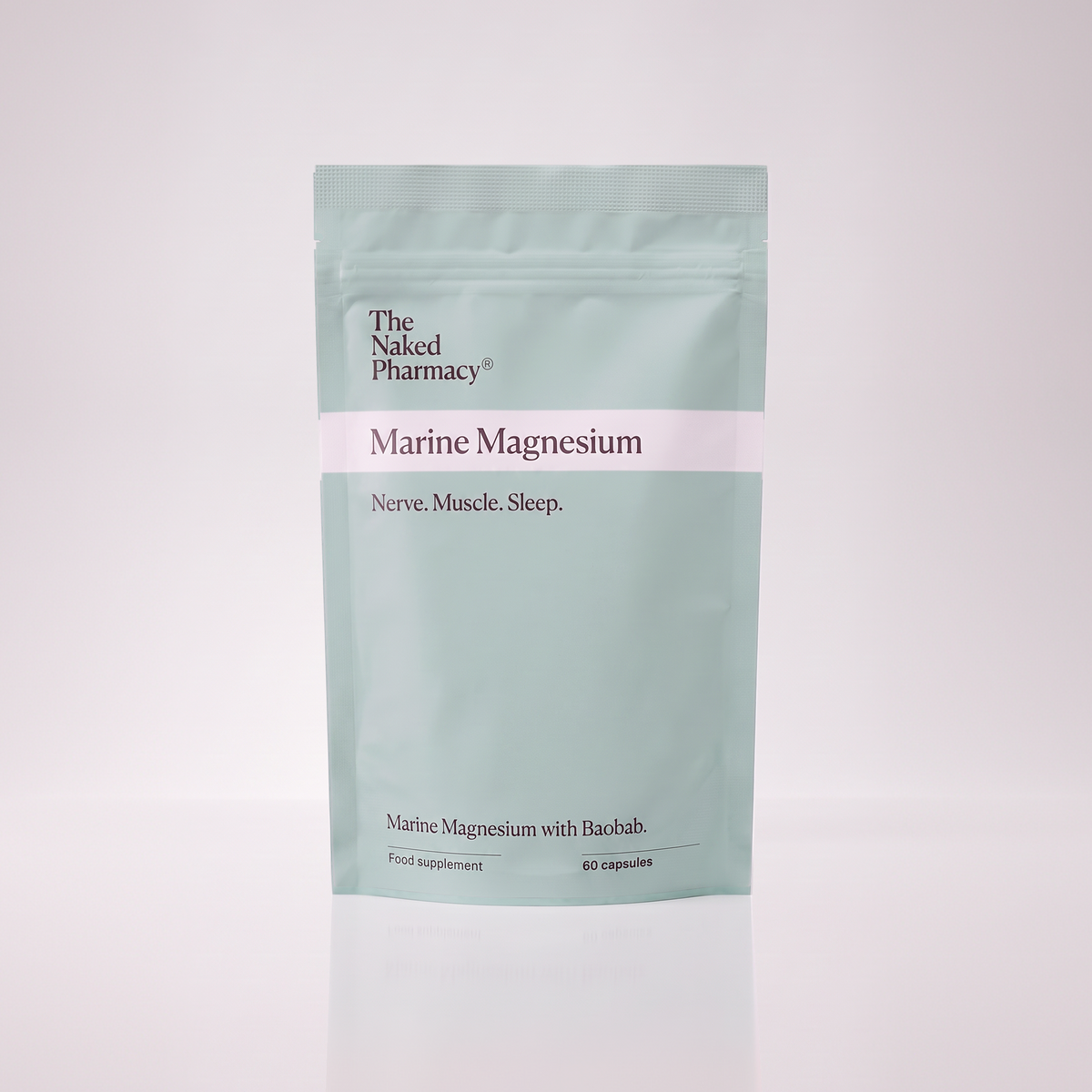
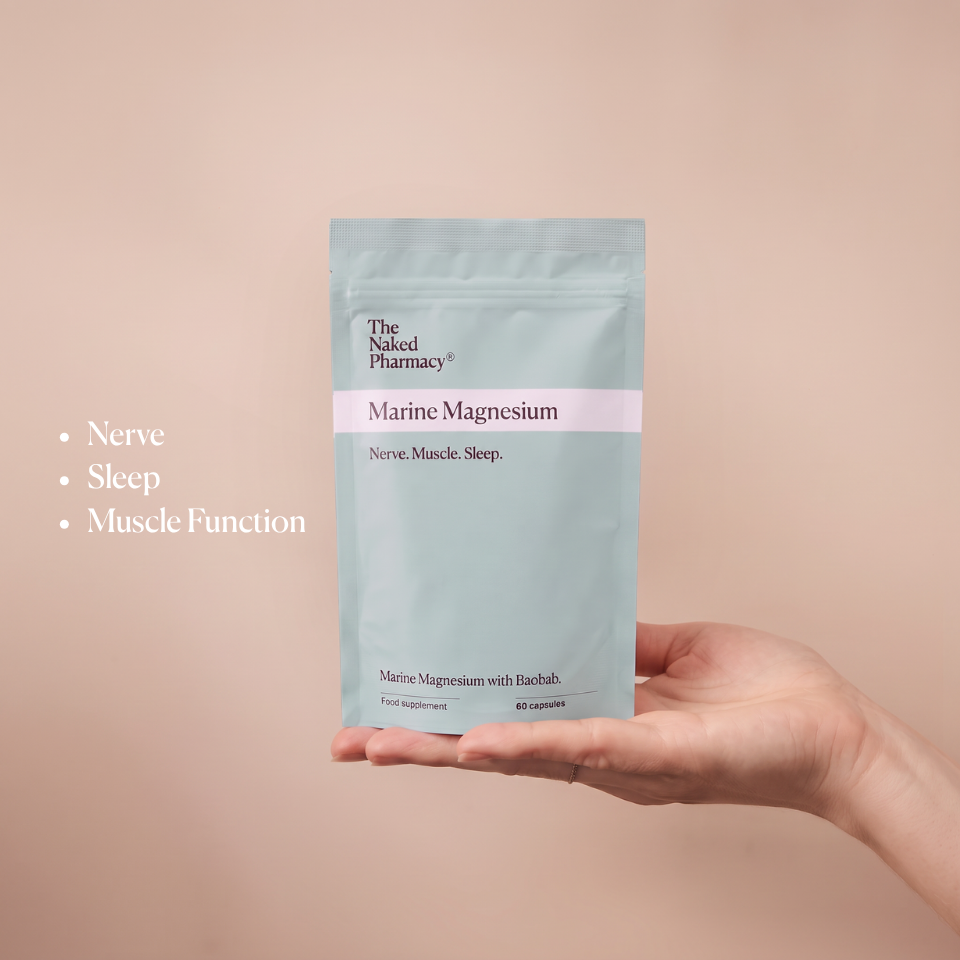
- Marine Magnesium: Helps muscles relax, reduces tension, and supports the nervous system. Ideal if you clench, cramp or struggle with sleep.
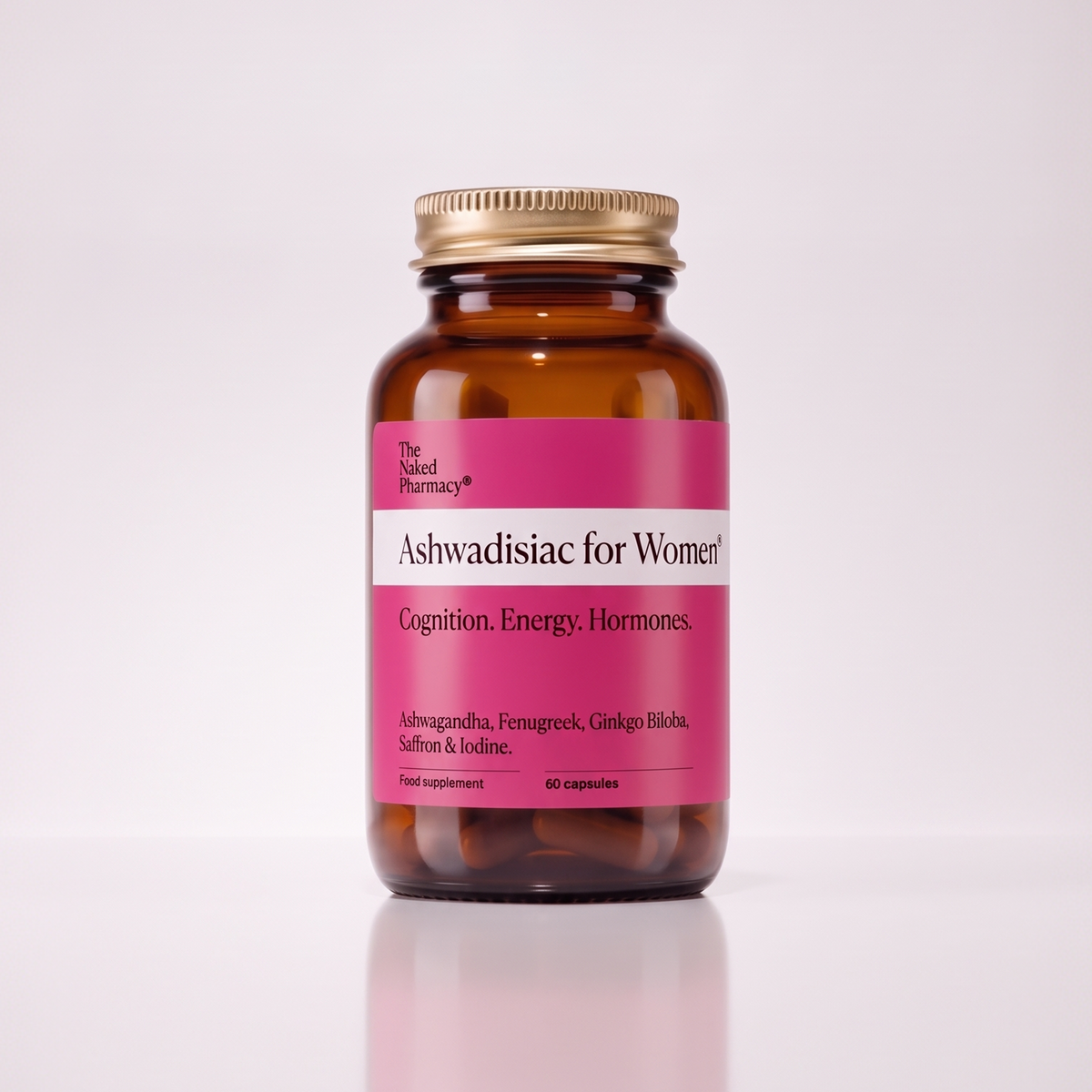
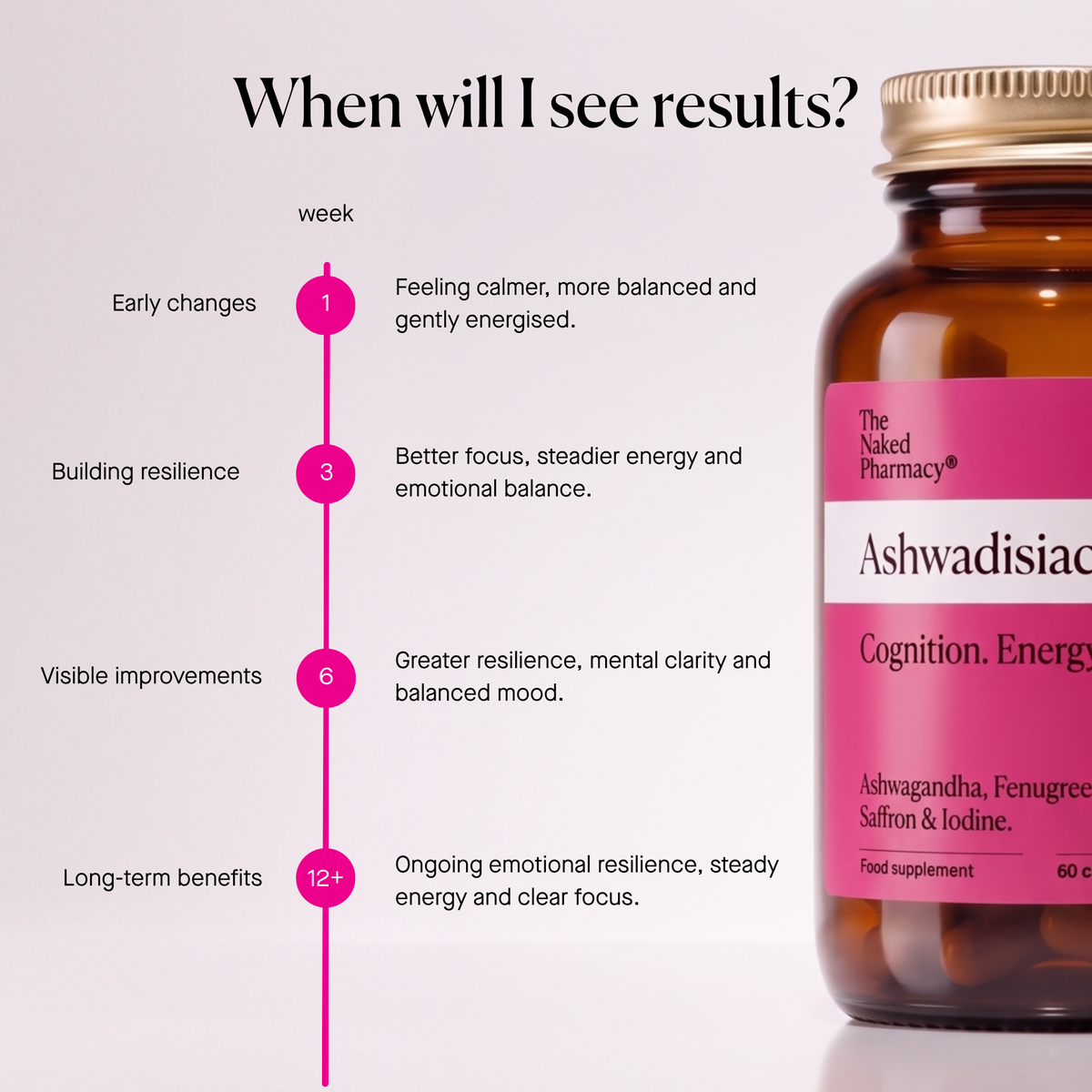
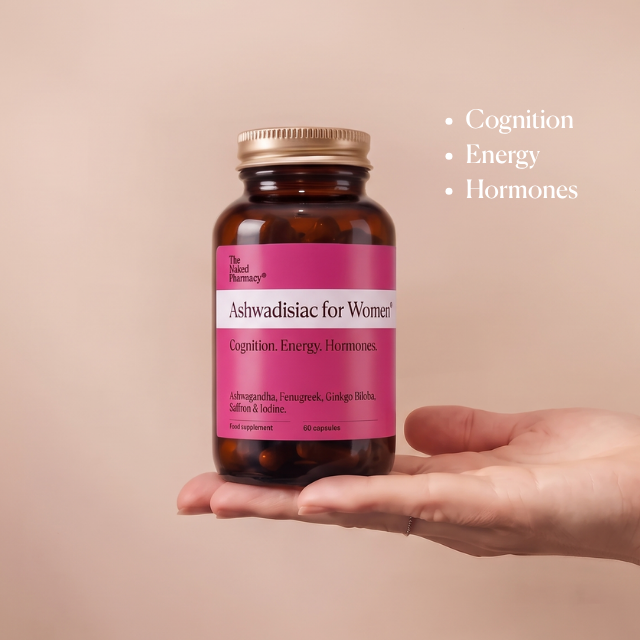
- Ashwadisiac for Women: Supports hormonal balance and helps ease physical tension. With 35% withanolides, it works to regulate cortisol levels associated with stress, fatigue, and inflammation, while improving circulation and oxygen flow to aid flexibility, mobility and relaxation.
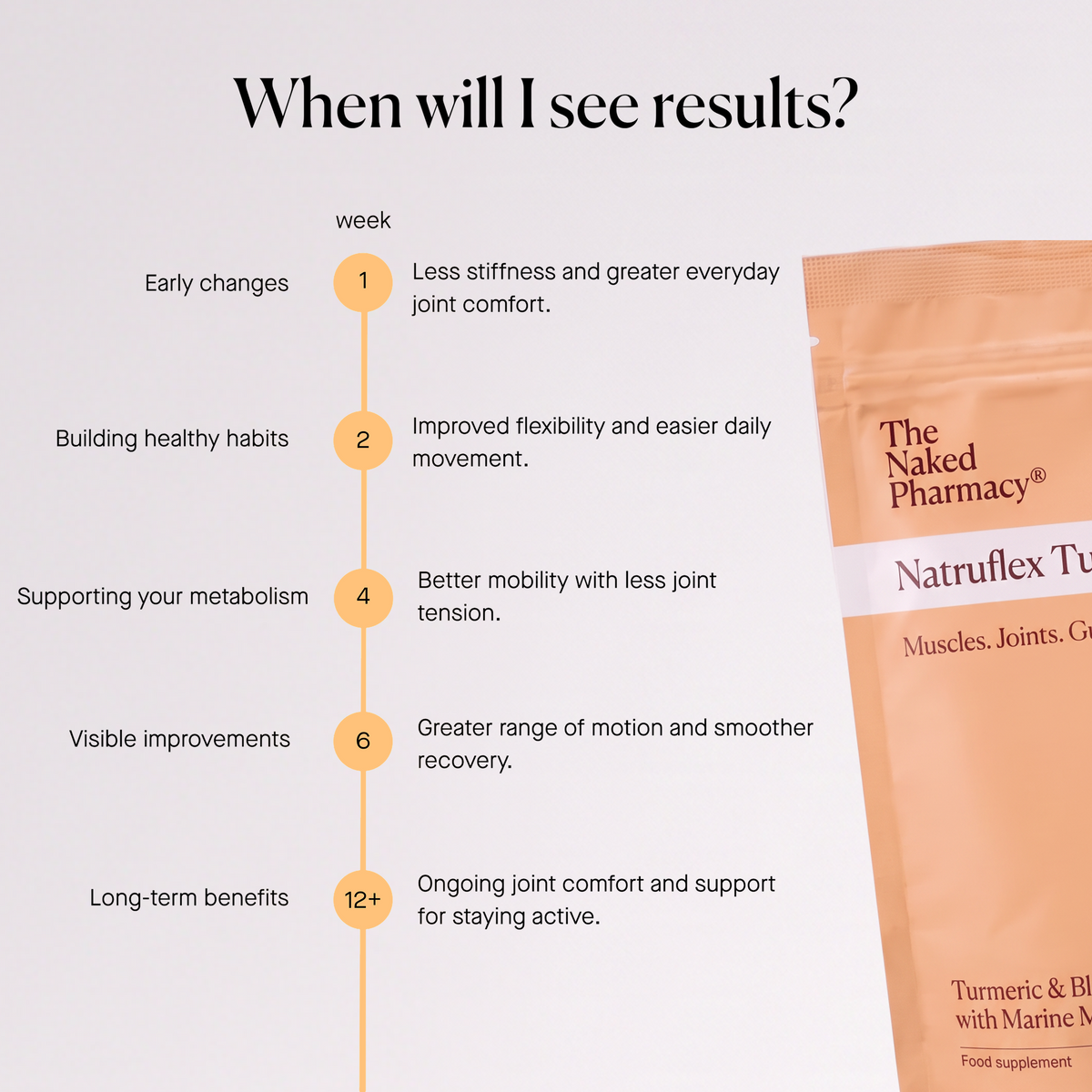
Taken consistently for 8 to 12 weeks, these can make a tangible difference in daily comfort and flexibility.
Other Natural Allies Worth Trying:
- Vitamin D3: Low vitamin D is common in midlife and linked to muscle weakness, low mood and joint pain.
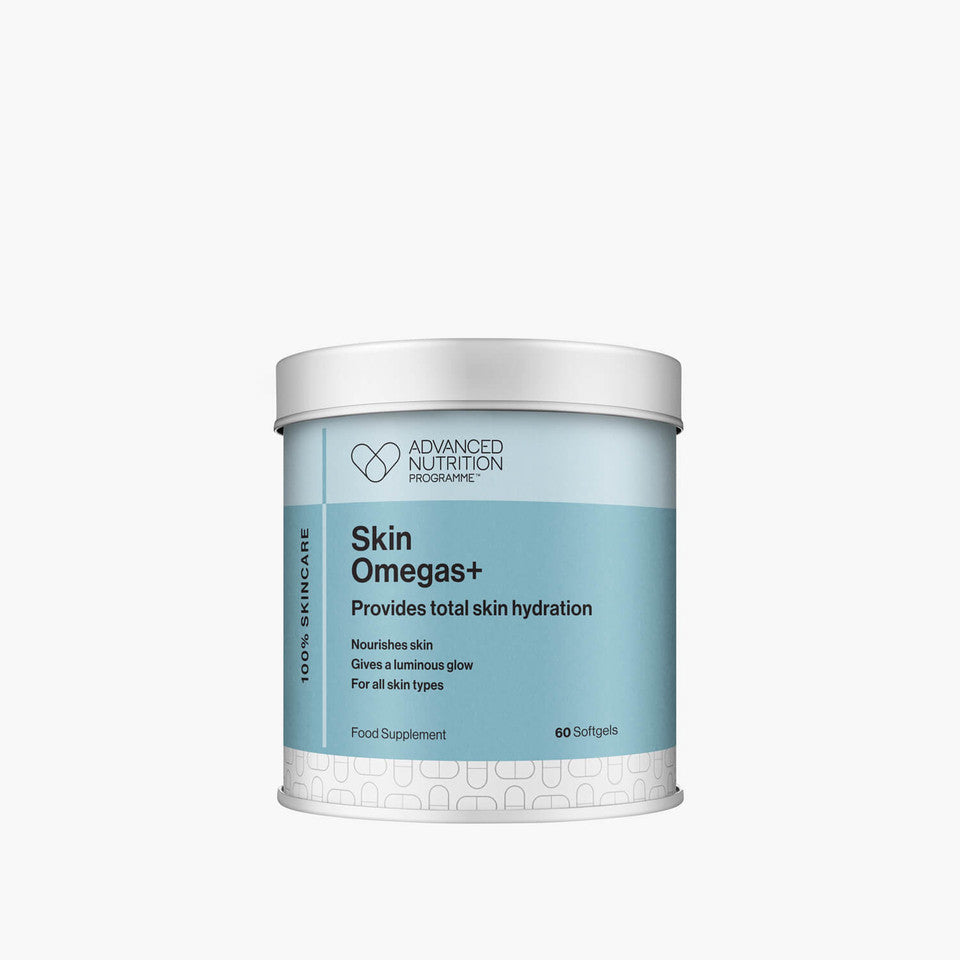
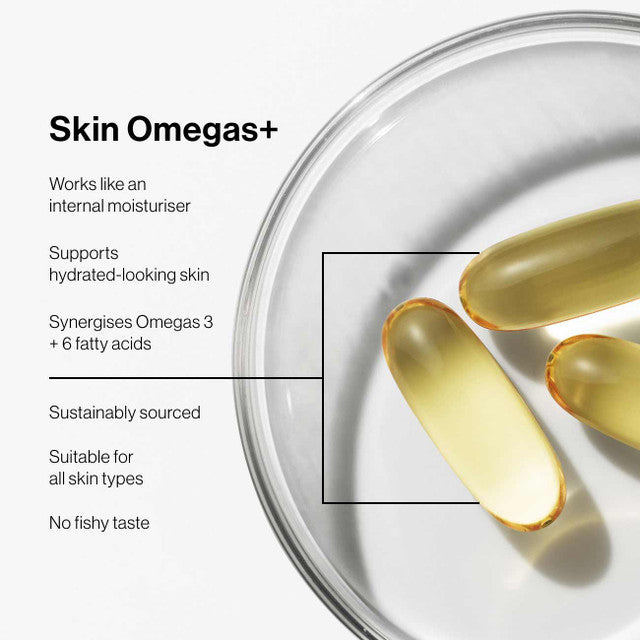
- Omega-3 Fatty Acids (EPA & DHA): Powerful anti-inflammatories that help ease stiff joints and support heart and brain health. Aim for: 1–2g combined EPA/DHA daily.
- Phytoestrogens (Soy Isoflavones, Flaxseed Lignans, Sage): These plant compounds gently mimic oestrogen, offering mild support for bone density and joint health.
5. Sleep and stress repair everything
Pain perception skyrockets when you’re exhausted. A calming evening routine and adequate magnesium intake both help you fall (and stay) asleep.
Quick wins by pain zone

- Hips: Strengthen glutes (clamshells, bridges), use cushions when sleeping on your side.
- Shoulders: Gentle mobility early on prevents frozen shoulder from “locking.”
- Knees: Prioritise muscle strength – especially quads and hamstrings.
- Hands/wrists: Stretch fingers, use ergonomic grips, don’t over-tighten during repetitive tasks.
Don’t surrender to stiffness
Midlife aches are common, not inevitable – and you can feel better with the right mix of movement, nutrition and patience.
Support your body, feed your joints, stretch what’s tight, and calm what’s tense.
Over time, those morning creaks will fade into the background, and you’ll be reunited with comfortable again.
Every ache has a story – and we’re here to listen. Chat with one of our registered pharmacists for free, personalised support. Book a consultation today.