Myths, Science and What the Evidence Actually Shows
Reviewed by Abhinav Thakore, Registed Pharmacist (GPhC) / 5 min read
Collagen supplements have become one of the most talked-about products - from powders and drinks to capsules and shakes. They’re often promoted for supporting skin and nails, joints, connective tissue and more. Some sources claim transformative results, while others say they do nothing at all.
With so much conflicting advice, it’s understandable that many people feel sceptical.
So, what’s the truth?
At The Naked Pharmacy, we’re separating myths from evidence to help you understand whether collagen supplementation may actually be useful for you.
Quick Answer: Do Collagen Supplements Work?
Research suggests hydrolysed collagen peptides can support skin hydration, connective tissue structure and joint comfort when taken consistently.
Hydrolysed simply means the collagen has been broken down into smaller fragments, making it easier for the body to digest and absorb.
Collagen supplements provide amino acids that the body uses to maintain tissues such as skin, cartilage, ligaments and tendons. When combined with nutrients involved in collagen formation - particularly vitamin C - they may also support the body’s natural collagen production.
This can be especially relevant as we age. From our mid-twenties onwards, natural collagen production gradually begins to decline. Research suggests women may lose up to 30% of their skin’s collagen in the first five years after menopause.
Importantly, like all supplements, results depend on formulation quality, dosage and consistent use.
Who Might This Be Relevant For?
- Those noticing changes in skin elasticity or hydration
- People looking to support joints or connective tissue
- Women approaching or post-menopause
- Anyone looking to support collagen levels over time
Key Takeaways

In a hurry? Here’s what actually matters:
- Collagen is the most abundant structural protein in the body
- Natural collagen production declines gradually from early adulthood
- Hydrolysed collagen peptides are designed for improved absorption
- Skin, joints and connective tissues all rely on collagen
- Supporting nutrients such as vitamin C contribute to collagen formation
Want to try collagen the right way?
Explore Naked Collagen or speak to one of our pharmacists for personalised guidance.
What Is Collagen?
Collagen is the most abundant protein in the human body and forms the structural framework of skin, joints, bones, muscles and connective tissues. Think of it as the body’s internal scaffolding.
Two key types include:
- Type I collagen: found in skin, bones and tendons
- Type III collagen: found alongside Type I in connective tissues and organs
From our mid-twenties onwards, collagen production declines by around 1-1.5% per year.
Over time, this may contribute to:
- reduced skin elasticity
- slower recovery after exercise
- joint stiffness
- weaker hair and nails
Why Do People Doubt Collagen Supplements?
Collagen supplements are widely discussed online, but misconceptions are common. Some believe collagen cannot survive digestion, while others assume all collagen supplements are the same.
In reality, factors such as peptide size, collagen type and supporting nutrients can influence how collagen behaves in the body. Understanding these differences helps explain why some formulations may be more effective than others.
Myth vs Fact: Common Misconceptions About Collagen

Myth: Collagen supplements don’t work
Fact: Research suggests hydrolysed collagen peptides can help maintain skin hydration and support connective tissue when taken consistently
Myth: Collagen is just another protein
Fact: Collagen contains a unique combination of amino acids, including glycine and proline, which are important for connective tissue structure
Myth: Collagen only benefits skin
Fact: Collagen is found throughout the body, including joints, ligaments, tendons and cartilage - not just skin
Myth: All collagen supplements are the same
Fact: Formulations vary depending on peptide size, collagen type, supporting nutrients and overall quality
Myth: Food provides enough collagen
Fact: Foods like bone broth contain collagen, but supplements provide standardised amounts of collagen peptides
Myth: Collagen supplements replace collagen directly in the skin
Fact: Collagen is broken down into amino acids and peptides, which the body uses as building blocks for connective tissues
What the Science Says

Several clinical studies have explored the effects of collagen peptides. One placebo-controlled study examining collagen tripeptides in women aged 40 to 60 reported improvements over 12 weeks, including:
- improved skin hydration
- improved skin elasticity
- reduced appearance of wrinkles
A larger review analysing more than 1,700 participants reported similar findings, particularly around skin hydration and elasticity.
Across multiple studies, these are among the most consistently observed outcomes of collagen supplementation.
How Collagen Works in the Body
Hydrolysed collagen refers to collagen that has been broken down into smaller fragments called peptides, making it easier for the body to absorb.
Once absorbed, these peptides provide amino acids that contribute to the maintenance of connective tissues such as skin, cartilage and tendons.
Why Peptide Size Matters
Collagen peptide size is measured in daltons, a unit used to describe molecular weight.
Smaller peptides are generally easier for the body to absorb, as they can pass through the digestive system and into the bloodstream more efficiently.
Some advanced formulations use ultra-small tripeptides around 500 daltons, designed with absorption in mind.
Why Collagen Quality Matters

Several factors influence how a collagen supplement performs:
- peptide size
- collagen types used
- supporting nutrients
- daily consistency
Vitamin C plays a role in activating enzymes involved in collagen formation, while silicium contributes to collagen fibre structure.
If you’re comparing collagen options, formulation really matters.
You can explore Naked Collagen or speak with a pharmacist to understand what to look for.
Collagen from Food vs Supplements
Foods such as bone broth naturally contain collagen, but amounts can vary significantly depending on preparation.
Supplements, on the other hand, provide standardised collagen peptides in consistent doses, making it easier to incorporate into a daily routine.
How to Choose Better Collagen Supplements

Some formulations combine:
- Hydrolysed Type I & III collagen tripeptides
- Vitamin C to support collagen formation
- Silicium to support collagen structure
For example, Naked Collagen provides:
- 1000 mg collagen tripeptides
- vitamin C from amla fruit
- bamboo-derived silicium
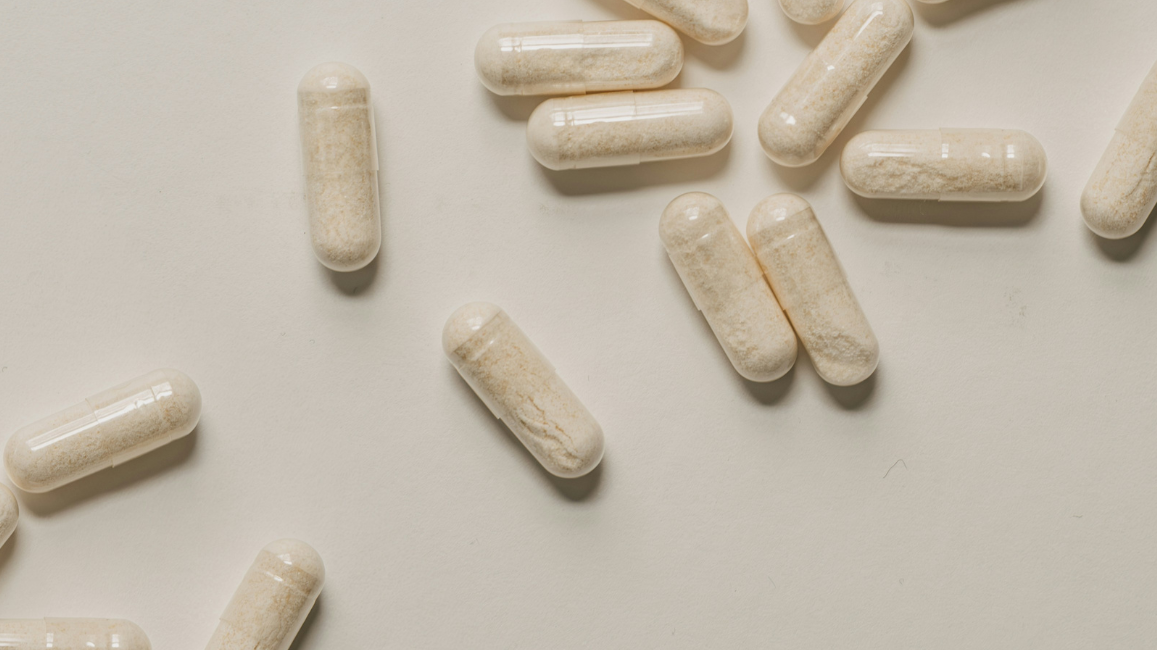
All delivered in two daily capsules.
As pharmacist Abhinav Thakore explains:
“This isn’t just any collagen. It’s a complete collagen support system.”
How Long Does Collagen Take to Work?

Collagen supplementation works gradually.
Many studies report improvements in skin hydration and elasticity within 4 to 12 weeks of consistent use. Early changes often include improvements in skin hydration and smoothness.
This is broadly reflected in real-world use, where participants of the Naked Collagen consumer survey reported visible changes in skin appearance within 9 weeks, alongside improvements in hydration, hair thickness and joint comfort over time.
As with any supplement, results can vary depending on consistency, formulation and overall lifestyle.
In Summary
Collagen isn’t a magic fix overnight - but it can be a useful piece of the puzzle.
Growing research suggests well-formulated hydrolysed collagen peptides can support skin hydration, connective tissue structure and joint comfort when used consistently.
Because collagen production naturally declines with age, supporting the body with nutrients involved in collagen formation can help maintain healthy connective tissues over time.
That said, results are influenced by lifestyle. Factors such as sleep, nutrition, movement and stress all play a role.
FAQs
Do collagen supplements actually work?
Research suggests hydrolysed collagen peptides can support skin hydration and connective tissue health when taken consistently
How long does collagen take to work?
Many people report improvements within 4 to 12 weeks
What type of collagen is best?
Hydrolysed collagen peptides with smaller molecular weights are generally easier to absorb
Is collagen good for joints?
Collagen contributes to cartilage and connective tissue structure, which may help maintain joint comfort
Speak to a Pharmacist
If you’re considering collagen supplementation and want clarity on what’s actually worth taking, you can book a free consultation with one of our pharmacists for personalised guidance.
Book your consultation or explore Naked Collagen to get started.